A 3-minute lesson from the Nevada course. Read the rules and examples, follow the handbook page references, and check your understanding before you move on.
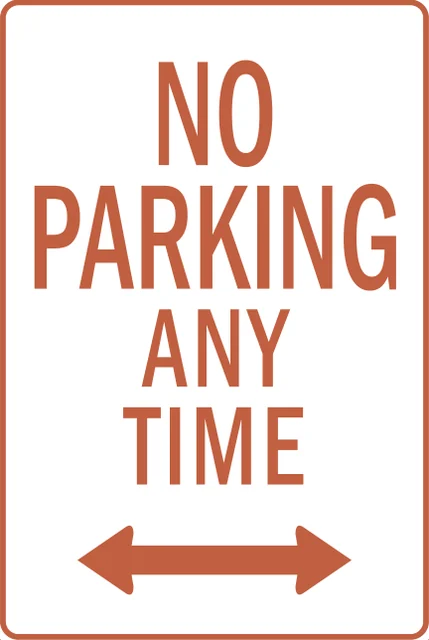
Some places are always off-limits for parking because a car there would block safety equipment, sight lines or traffic. The distances are favorite test questions, so memorize them.
Never park within…
Never park within…
Distance
Of
15 feet
A fire hydrant, where parallel parking is permitted
20 feet
A fire hydrant, where angle parking is permitted
20 feet
A crosswalk (or on the crosswalk)
20 feet
A fire station driveway entrance
75 feet
A fire station entrance, on the opposite side of the road
If possible, stay in or near your car on the side away from traffic — walking along a freeway is dangerous. A Nevada Highway Patrol trooper will stop to help. Don't stop on a freeway except in an emergency.
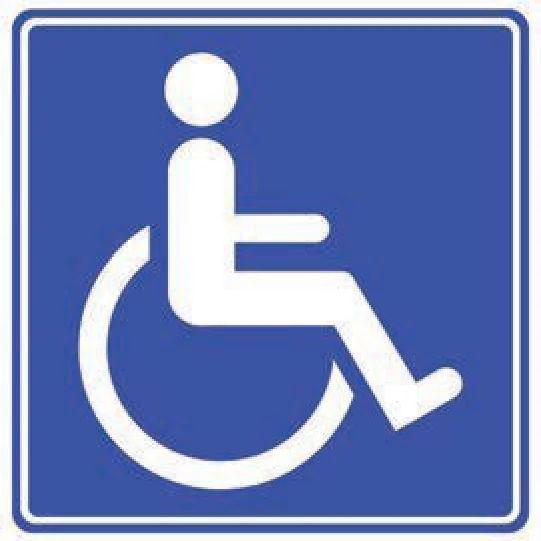
Spaces marked with the International Symbol of Access may be used only when the person issued the valid placard or plate is driving or riding in the vehicle.
Your friend has a disabled placard but stays home and lends you her car. You can't use a disabled space, because she isn't in the vehicle — doing so risks a fine of at least $250.
Check your understanding
Read the question, decide on an answer, then open it to check the explanation. These are Roadwise study questions based on the source handbook.
How close to a fire hydrant may you park where parallel parking is permitted?
No closer than 15 feet
No closer than 20 feet
No closer than 10 feet
No closer than 30 feet
Answer: No closer than 15 feet
You may not park within 15 feet of a fire hydrant where parallel parking is permitted.