A 3-minute lesson from the Nevada course. Read the rules and examples, follow the handbook page references, and check your understanding before you move on.
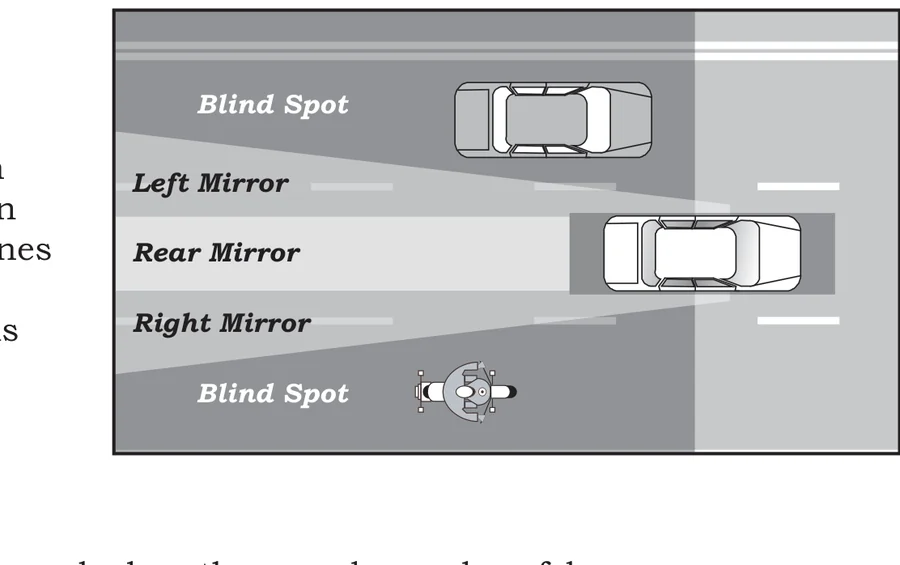
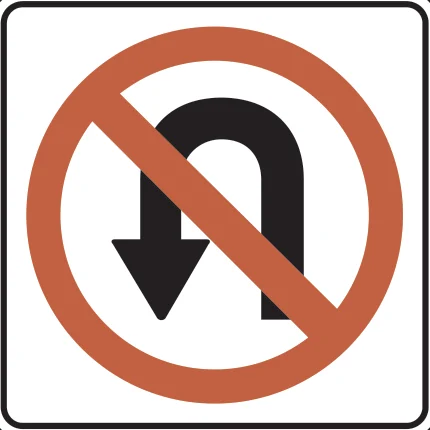
Change lanes only after mirrors, a signal and a head check — mirrors alone leave blind spots. U-turns are generally allowed in Nevada when they can be made safely, but there's a long list of places they're banned.
To change lanes:
Check your rear and side-view mirrors
Signal 100 feet (10 car lengths) ahead on city streets, 300 feet (30 car lengths) on highways/freeways
Look over your shoulder to check blind spots; change lanes when traffic is clear
Turning your vehicle around in the street or an intersection to go back the way you came. Signal and use the far left lane or the center left-turn lane.
School zones: no U-turns except when no children are present, on days with no school, from ½ hour after school ends to ½ hour before the next session, or when signs or lights show the zone isn't in effect.
On a curvy mountain road you miss a turnoff. Around the bend you can see only about 150 feet ahead. That's less than 200 feet, so a U-turn there is illegal — drive on to a spot with clear views.
Check your understanding
Read the question, decide on an answer, then open it to check the explanation. These are Roadwise study questions based on the source handbook.
Before changing lanes, you should check your blind spot by:
Using only your rearview mirror
Looking over your shoulder
Checking only your side mirror
Trusting your lane-change signal alone
Answer: Looking over your shoulder
Check blind spots by looking over your shoulder before changing lanes.