West Virginia driving lesson · Signs, Signals, and Markings
Lane-use and crosswalk signals
A 2-minute lesson from the West Virginia course. Read the rules and examples, follow the handbook page references, and check your understanding before you move on.
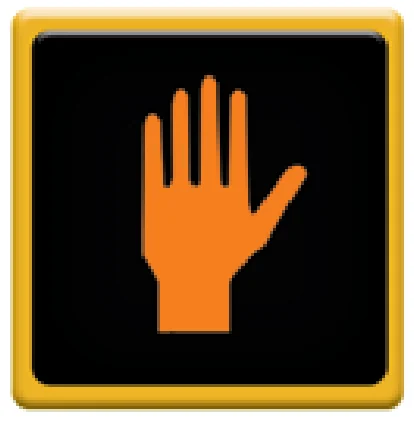
Some lanes change direction during the day, and overhead signals tell you whether you may use them. Pedestrian signals tell walkers when to cross, and they signal to you where people will be.
Know the rule
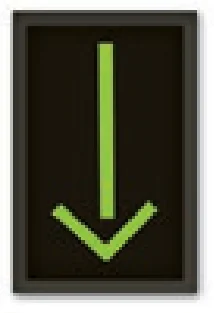
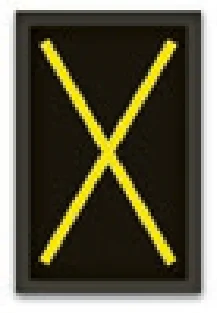
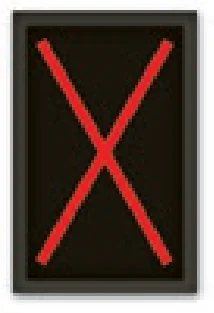
Special lane-use signals control lanes whose direction changes during the day, showing how each lane may be used.
A blind person on foot using a guide dog or other service animal, or carrying a white cane or walking stick, has the right-of-way whether or not they are in a crosswalk.
During evening rush hour, the signal over your lane changes from a green arrow to a yellow X. Signal and move to a lane showing a green arrow as soon as it is safe; your lane is about to close or reverse.
Check your understanding
Read the question, decide on an answer, then open it to check the explanation. These are Roadwise study questions based on the source handbook.
What does the 'Walking Man' or WALK signal at a crosswalk tell pedestrians?
They are safe to cross inside the crosswalk lines
They must wait for the next signal cycle
Vehicles have the right-of-way
The crosswalk is closed for construction
Answer: They are safe to cross inside the crosswalk lines
The Walking Man or WALK signal tells pedestrians it is safe to cross within the crosswalk lines.