roadwise.Open study app

South Carolina driving lesson · Sharing the Road

Move-over law & slow-moving vehicles

A 3-minute lesson from the South Carolina course. Read the rules and examples, follow the handbook page references, and check your understanding before you move on.

Read time
3 minutes
Course unit
Sharing the Road
Checkpoint questions
6
Source pages
123, 124, 125

Officers, EMS crews, firefighters and tow truck operators are increasingly being struck while working on the road. SC's move-over law requires you to slow down and change lanes for them.

Know the rule

When approaching a stopped authorized emergency vehicle, slow down and move into a lane away from it, if safety and traffic allow.

Handbook p. 124 ↗

Know the rule

If a lane change isn't safe, slow down and proceed with caution at a safe speed for traffic conditions.

Handbook p. 124 ↗

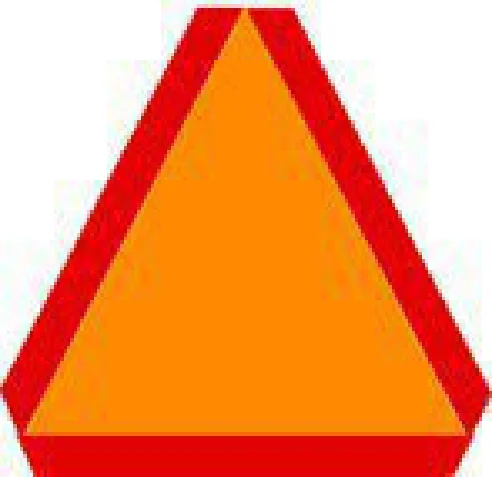
Slow-moving vehicle emblem

A fluorescent or reflective orange and red triangle on the rear of an animal-drawn vehicle or farm or construction equipment.

Handbook p. 124 ↗
Slow-moving vehicle emblem
Less than 25 mph

Speed of a vehicle displaying the slow-moving vehicle emblem

Handbook p. 125 ↗

Know the rule

Be alert for slow-moving vehicles, especially in rural areas, and make sure it's safe before passing.

Handbook p. 125 ↗

Know the rule

Tractors, combines and other farm equipment cross and travel state highways in rural areas. Pass with caution, since the operator probably can't hear you over the machinery.

Handbook p. 125 ↗

Know the rule

Animal-drawn vehicles and horseback riders have the same right to use the road and must follow the same rules. Pass with caution, and don't honk or rev your engine, which may scare the animal.

Handbook p. 125 ↗
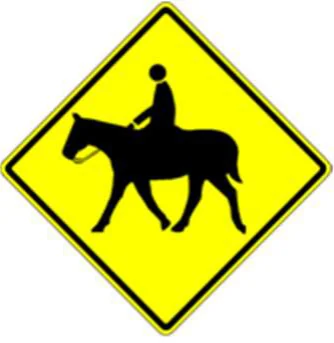
Equestrian crossing
Horseback riders warning sign

Know the rule

Anticipate left turns by animal-drawn vehicles into fields and driveways.

Handbook p. 125 ↗

Put it into practice

On the interstate you see a tow truck with flashing lights on the right shoulder. Check your mirror and blind spot, then move one lane left. If the left lane is packed, slow down and pass carefully.

Check your understanding

Read the question, decide on an answer, then open it to check the explanation. These are Roadwise study questions based on the source handbook.

When approaching a stopped authorized emergency vehicle, SC's move-over law requires you to:
  1. Maintain your current speed and lane
  2. Stop completely in your lane
  3. Slow down and move over if safe
  4. Only slow down if an officer waves you over

Answer: Slow down and move over if safe

Slow down and yield the right-of-way by changing lanes away from the emergency vehicle if safe and traffic permits.
Handbook p. 124 ↗
If a lane change away from a stopped emergency vehicle is unsafe, you should:
  1. Change lanes anyway
  2. Stop completely in the roadway
  3. Speed up to get past quickly
  4. Slow down and use caution

Answer: Slow down and use caution

If a lane change is unsafe, slow down and proceed with caution while maintaining a safe speed.

Handbook p. 124 ↗
A fluorescent or reflective orange and red triangle on the rear of a vehicle indicates that it is:
  1. Traveling less than 25 mph
  2. A commercial vehicle carrying hazardous materials
  3. Exempt from all speed limits
  4. An emergency vehicle

Answer: Traveling less than 25 mph

This triangle emblem means the vehicle is traveling less than 25 mph, such as farm equipment.

Handbook p. 124 ↗
Why might farm machinery operators not hear your approaching vehicle?
  1. They must wear hearing protection blocking all sound
  2. Due to the noise level of the machinery
  3. Farm machinery cabs are soundproofed
  4. State law prohibits horn use near farm equipment

Answer: Due to the noise level of the machinery

The operator of farm machinery most likely cannot hear approaching vehicles due to the noise level of the machinery.

Handbook p. 125 ↗
When passing horseback riders or animal-drawn vehicles, you should:
  1. Honk to alert the animal
  2. Pass quickly at your normal speed
  3. Don't honk or rev your engine
  4. Rev your engine to pass quickly

Answer: Don't honk or rev your engine

Do not use your horn or rev your engine near animal-drawn vehicles or horseback riders, as it may scare the animal.

Handbook p. 125 ↗
The move-over law was enacted primarily because:
  1. Roadside workers were being struck
  2. Traffic congestion was increasing
  3. Fuel costs were rising
  4. Speed limits needed to be standardized

Answer: Roadside workers were being struck

Move-over laws were enacted because incidents of officers, EMS, and tow operators being struck were increasing.

Handbook p. 123 ↗
Take the lesson checkpoint in the app

More in Sharing the Road