Roadwise States Rhode Island Driving lessons Passing & Backing Rhode Island driving lesson · Basic Driving Skills & Safety Rules
Passing & Backing A 3-minute lesson from the Rhode Island course. Read the rules and examples, follow the handbook page references, and check your understanding before you move on.
Read time 3 minutes
Course unit Basic Driving Skills & Safety Rules
Checkpoint questions 6
Source pages 33, 34 Passing is one of the riskiest things you'll do on a two-lane road. Before you pull out, ask three questions—Is it legal? Is it safe? Is it worth it?—and pass only if all three answers are yes.
Ask before every pass (all must be YES): Is passing legal? Is passing safe? Is passing worth it? Handbook p. 33 ↗ Know the rule
On multiple-lane highways the law requires you to use the left lane to pass and the right lane for through traffic. When you're being passed, slow down a little and keep right.
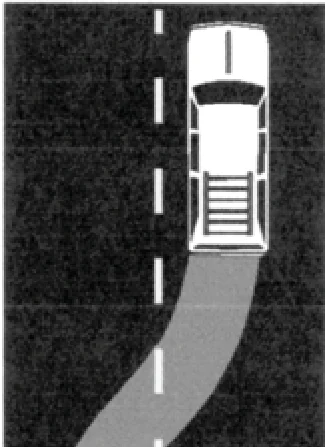
Handbook p. 34 ↗ Blind spots Areas you can't see in your rear-view or side mirrors. Check over your shoulder before any lane change or pass, and don't stack packages in the back seat or rear window ledge.
Handbook p. 34 ↗ Passing on the left: Signal left to warn drivers ahead and behind Check mirrors and look over your left shoulder Change lanes and pass; cancel your left signal At night you may flash low–high–low beams to warn the driver ahead Signal right once safely past Return when you see the passed car's tires on the pavement in your inside mirror Handbook p. 34 ↗ Know the rule
Pass only on the left in general, never pass more than one vehicle at a time, and never exceed the posted speed to pass.
Handbook p. 34 ↗ You may pass on the right only: When the vehicle ahead is making or about to make a left turn On a street wide enough for two or more lanes, free of obstructions and parked cars On a one-way street wide enough for two or more lanes, free of obstructions and parked cars Handbook p. 34 ↗ Never pass: By driving off the pavement or main traveled road On a hill or curve, or at a railroad crossing or intersection Where signs prohibit it, or over solid lines When entering a tunnel or bridge By going over the posted speed limit Handbook p. 34 ↗ Passing on the left and returning to your lane Backing up: Backing more than 30 feet? Turning on your hazard lights is recommended Look over your right shoulder, partly turning your body, keeping control When backing straight, check all mirrors periodically Handbook p. 34 ↗ Put it into practice
A slow tractor is ahead on a two-lane road, but a curve is coming up. Passing there is illegal and unsafe—the answer to 'Is it legal?' is already no. Wait for a straight stretch with a broken line and a clear view.
A useful reminder Right-side passing is legal only for a left-turner ahead, or on roads with two or more lanes in your direction.
Check your understanding Read the question, decide on an answer, then open it to check the explanation. These are Roadwise study questions based on the source handbook.
On multi-lane highways, which lane does the law require you to use for passing? The right lane The left lane Either lane, driver's choice The center lane only Answer: The left lane
On multiple-lane highways, the law requires you to use the left lane to pass and the right lane for normal driving.
Handbook p. 34 ↗ How many vehicles should you pass at one time, per the handbook's guidance? Up to three, if traffic allows As many as safely possible Never more than one Exactly two Answer: Never more than one
The handbook advises you should never pass more than one vehicle at a time.
Handbook p. 34 ↗ When is it legal to pass another vehicle on the right? When the paved shoulder is clear When the vehicle ahead is below the speed limit Any time on a two-lane, two-way road When the vehicle ahead is making or about to make a left turn Answer: When the vehicle ahead is making or about to make a left turn
You may pass on the right when the vehicle ahead is making or about to make a left turn, or on a road wide enough for two lanes.
Handbook p. 34 ↗ How do you know you've gone far enough past a vehicle to safely return to the right lane? You can see its tires in your inside rear-view mirror You count to three after passing You have gone at least 500 feet beyond its front bumper Its headlights appear in your side mirror Answer: You can see its tires in your inside rear-view mirror
You should go far enough past the vehicle you passed to see its tires on the pavement in your inside rear-view mirror before returning right.
Handbook p. 34 ↗ Which of these locations is passing prohibited, per the handbook? On a four-lane highway with a broken line On a hill or curve In a marked passing zone On a straight, flat road Answer: On a hill or curve
Passing on a hill, curve, railroad crossing, intersection, or where signs prohibit it is dangerous and illegal.
Handbook p. 34 ↗ What should you do if another vehicle is passing you? Speed up to stay ahead Move to the left side of your lane Hold your speed and position Reduce speed slightly and keep right Answer: Reduce speed slightly and keep right
When being passed, reduce your speed a little and keep to the right so the other driver can pass safely.
Handbook p. 34 ↗ Previous lesson Where You May Not Park Next lesson Freeways & Safe Highway Driving More in Basic Driving Skills & Safety Rules About the source Roadwise’s Rhode Island course uses the driver handbook edition supplied with this study pack. This lesson cites source pages 33, 34. The linked PDF is a third-party mirror of the handbook, rather than a government-hosted page.
Open the handbook source PDF · View the source edition
For current application requirements, fees, appointments, and the format that applies to your age or license type, check Rhode Island’s DMV. Roadwise provides study material and does not issue permits or licenses.