A 3-minute lesson from the Louisiana course. Read the rules and examples, follow the handbook page references, and check your understanding before you move on.
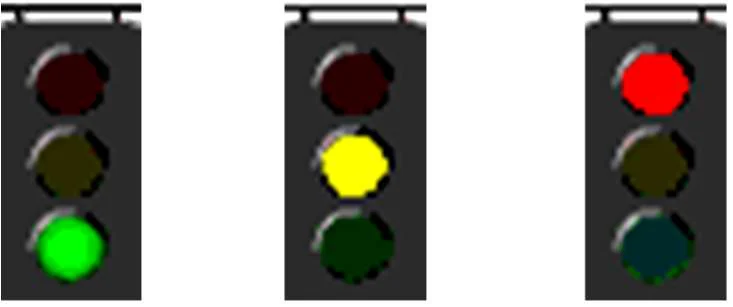
Signal lights run red, yellow, green from top to bottom. In some metro areas they're horizontal: red on the left, yellow in the middle, green on the right. Knowing what each steady, flashing or arrow light requires keeps you out of intersection crashes.
Vertical signals: red on topHorizontal signals: red on the left
Know the rule
Steady green: go if the intersection is clear, but yield to emergency vehicles and others as the law requires. When your light turns green, let crossing traffic clear first. Turning left on green, yield to oncoming traffic and pedestrians.
Green arrow: you may turn in the arrow's direction; oncoming and crossing traffic should yield to you, but watch for drivers turning right on red from the other side.
Steady red: stop behind the stop line, crosswalk or intersection until green. You may turn right after stopping and yielding unless a sign prohibits it.
Your light turns yellow as you approach. Check your mirror: if the car behind can stop too, come to a complete stop. If you were already in the intersection when it changed, you'd keep going and clear it safely.
Check your understanding
Read the question, decide on an answer, then open it to check the explanation. These are Roadwise study questions based on the source handbook.
What does a steady yellow traffic light mean?
Red is coming; stop if you safely can
Speed up to clear the intersection
You must stop immediately, even in the intersection
Stop only if a car is stopped ahead
Answer: Red is coming; stop if you safely can
Steady yellow warns that red is coming; you should stop if you can do so safely.