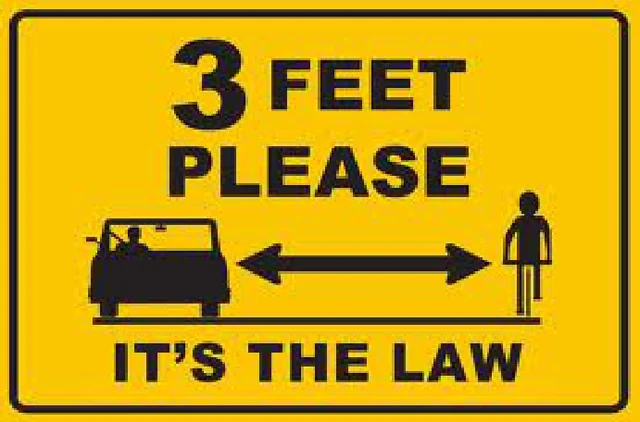
3-foot passing law for bicycles
Drivers must leave at least 3 feet of space when passing a cyclist.
What to do: Leave at least 3 feet of clearance when passing a bicyclist.
Shape: rectangle horizontal · Color: yellow
Handbook p. 84 ↗Louisiana road signs
Explore 84 signs and driving illustrations from this course’s handbook edition. Each entry pairs the image with its meaning and a practical action. Use your browser’s Find command to look up a name or a word from a meaning.
Notice the shape and color before reading a sign’s words or symbol. Then connect its meaning with what you should do: stop, yield, adjust your speed, choose a lane, or prepare for a hazard. Signals, markings, and diagrams are included where the handbook uses them to explain a driving rule.
Use the source page link for the surrounding rule. Some illustrations show a complete road situation rather than a standalone roadside sign.
84 entries. Sign images and page references belong to the handbook edition used for the Louisiana course.
Drivers must leave at least 3 feet of space when passing a cyclist.
What to do: Leave at least 3 feet of clearance when passing a bicyclist.
Shape: rectangle horizontal · Color: yellow
Handbook p. 84 ↗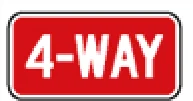
Indicates stop signs control every approach to this intersection.
What to do: Stop, then proceed only when it is your turn based on arrival order.
Shape: rectangle horizontal · Color: red
Handbook p. 32 ↗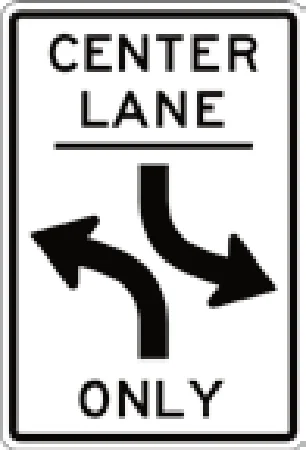
This center lane is only for left turns from both directions.
What to do: Use this lane only to turn left or wait to turn; do not drive straight through it.
Shape: rectangle vertical · Color: white
Handbook p. 32 ↗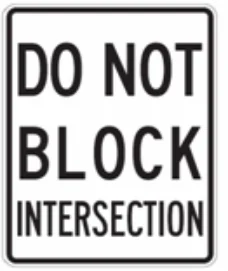
You must not stop in the intersection and block cross traffic.
What to do: Do not enter the intersection unless you can clear it before the light changes.
Shape: rectangle vertical · Color: white
Handbook p. 33 ↗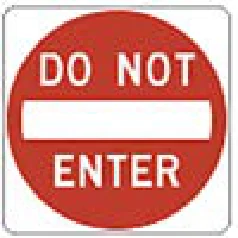
Entry is prohibited on this roadway.
What to do: Do not drive past this sign in this direction.
Shape: circle · Color: red
Handbook p. 34 ↗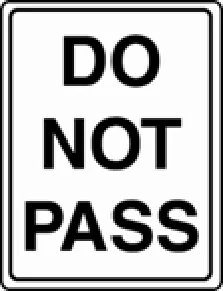
Passing other vehicles is not allowed here.
What to do: Stay behind slower traffic and do not attempt to pass.
Shape: rectangle vertical · Color: white
Handbook p. 33 ↗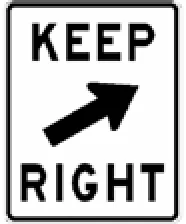
Keep to the right of the obstruction, island, or median.
What to do: Stay right of the marked obstruction ahead.
Shape: rectangle vertical · Color: white
Handbook p. 33 ↗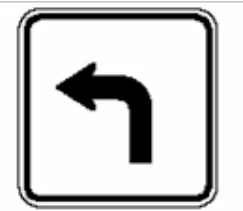
Traffic in this lane must turn left.
What to do: Get into this lane only if you intend to turn left.
Shape: square · Color: white
Handbook p. 32 ↗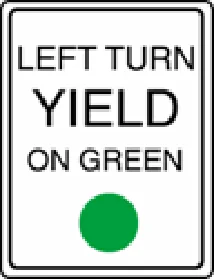
You may turn left on a green light only after yielding to oncoming traffic.
What to do: Yield to oncoming traffic before turning left on green.
Shape: rectangle vertical · Color: white
Handbook p. 33 ↗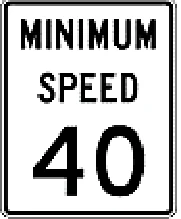
Sets the slowest legal speed on this roadway.
What to do: Drive at least this fast unless conditions require otherwise.
Shape: rectangle vertical · Color: white
Handbook p. 32 ↗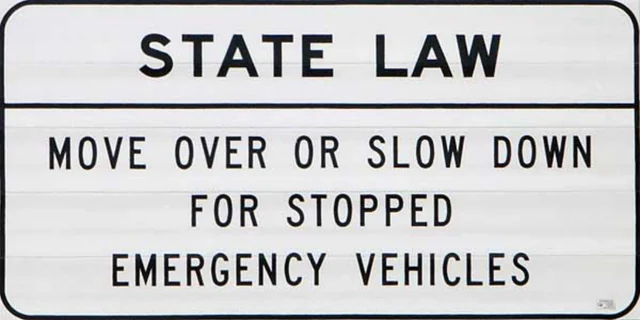
Requires drivers to move over or slow down for stopped emergency vehicles.
What to do: Move to a non-adjacent lane or slow down when passing a stopped emergency vehicle.
Shape: rectangle horizontal · Color: white
Handbook p. 103 ↗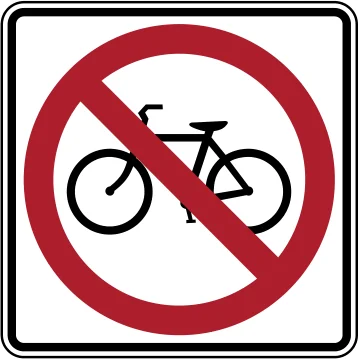
Bicycles are not allowed on this roadway.
What to do: Do not ride a bicycle here; use an alternate route.
Shape: square · Color: white
Handbook p. 31 ↗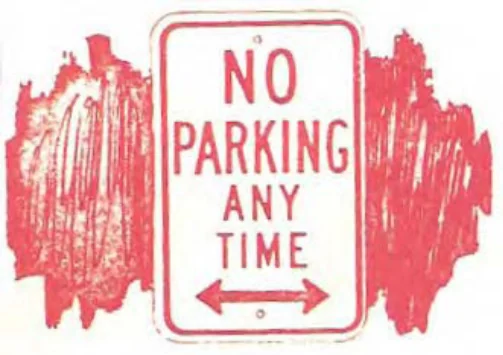
Parking is never allowed here.
What to do: Do not park at any time in this area.
Shape: rectangle vertical · Color: red
Handbook p. 75 ↗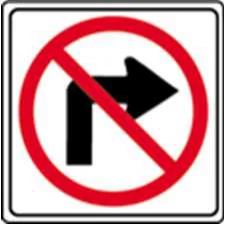
Right turns are not allowed here.
What to do: Do not turn right; continue straight or choose another lane.
Shape: square · Color: white
Handbook p. 31 ↗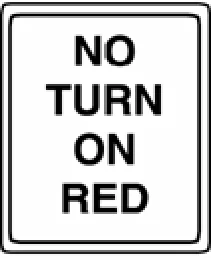
Turning on a red light is not allowed here.
What to do: Wait for a green light before turning; do not turn on red.
Shape: square · Color: white
Handbook p. 33 ↗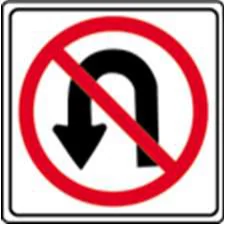
U-turns are not allowed here.
What to do: Do not turn around; continue straight or use another route.
Shape: square · Color: white
Handbook p. 31 ↗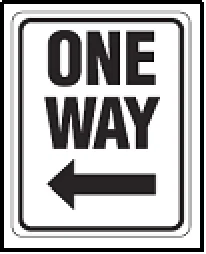
Traffic travels in one direction only, as shown by the arrow.
What to do: Enter and travel only in the direction of the arrow.
Shape: rectangle vertical · Color: white
Handbook p. 33 ↗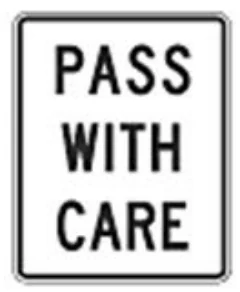
Passing is allowed here, but only with caution.
What to do: Pass only when the way is clear and it's safe to do so.
Shape: rectangle vertical · Color: white
Handbook p. 33 ↗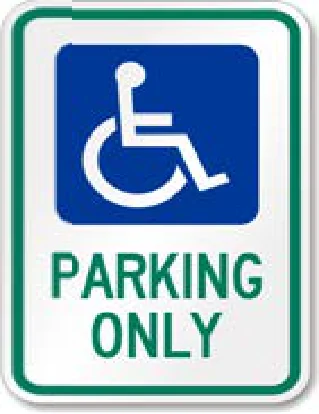
Parking reserved for vehicles with a disability permit.
What to do: Do not park here without a valid disability placard or plate.
Shape: rectangle vertical · Color: white
Handbook p. 104 ↗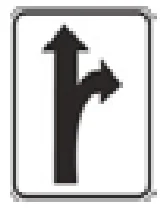
This lane may go straight or turn right only.
What to do: Use this lane only to go straight or turn right as marked.
Shape: rectangle vertical · Color: white
Handbook p. 32 ↗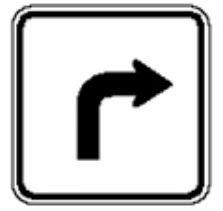
Only a right turn is allowed from this lane.
What to do: Turn right only; do not go straight or turn left from this lane.
Shape: square · Color: white
Handbook p. 32 ↗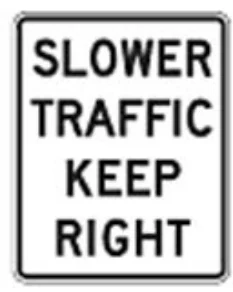
Slower vehicles must stay in the right lane.
What to do: Keep right if you are driving slower than the flow of traffic.
Shape: rectangle vertical · Color: white
Handbook p. 34 ↗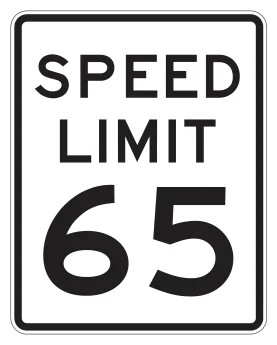
Shows the maximum legal speed under good conditions.
What to do: Do not drive faster than the posted speed limit.
Shape: rectangle vertical · Color: white
Handbook p. 32 ↗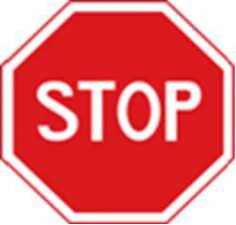
Come to a complete stop.
What to do: Stop fully at the line, crosswalk or intersection edge; go only when safe.
Shape: octagon · Color: red
Handbook p. 32 ↗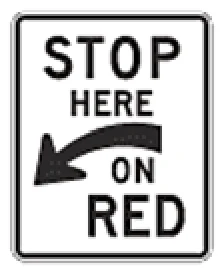
Stop at this sign or line when the signal is red.
What to do: Stop at the marked point when facing a red light.
Shape: rectangle vertical · Color: white
Handbook p. 33 ↗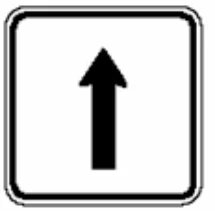
Traffic in this lane may only go straight.
What to do: Continue straight; do not turn from this lane.
Shape: rectangle vertical · Color: white
Handbook p. 32 ↗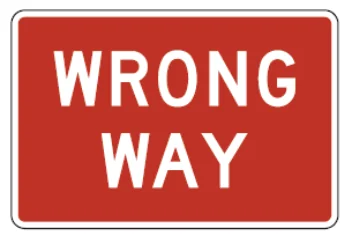
You are driving the wrong way on a one-way road.
What to do: Stop and safely turn around; do not continue forward.
Shape: rectangle horizontal · Color: red
Handbook p. 34 ↗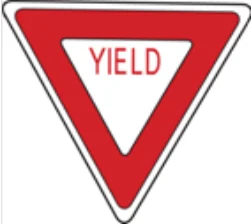
Slow down and let other traffic or pedestrians go first.
What to do: Slow or stop if needed and yield the right-of-way before proceeding.
Shape: triangle · Color: red
Handbook p. 32 ↗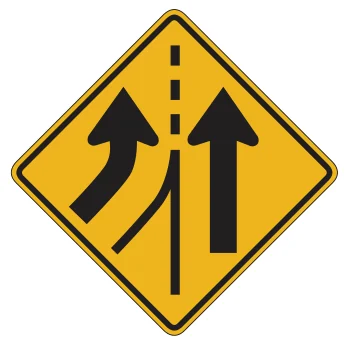
An additional lane begins ahead without merging.
What to do: Continue in your lane; no need to merge for the new lane.
Shape: diamond · Color: yellow
Handbook p. 30 ↗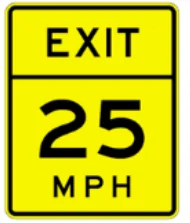
Shows the recommended safe speed for this exit.
What to do: Slow to this speed before taking the exit.
Shape: rectangle vertical · Color: yellow
Handbook p. 31 ↗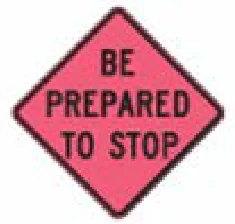
Warns you must be ready to stop ahead due to an incident.
What to do: Slow down and be ready to stop for traffic or an incident.
Shape: diamond · Color: other
Handbook p. 35 ↗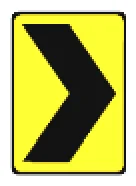
Marks a sharp change in road direction.
What to do: Slow down and follow the direction of the arrow through the curve.
Shape: rectangle vertical · Color: yellow
Handbook p. 31 ↗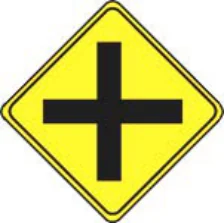
Warns of a four-way intersection ahead.
What to do: Slow down and watch for cross traffic.
Shape: diamond · Color: yellow
Handbook p. 30 ↗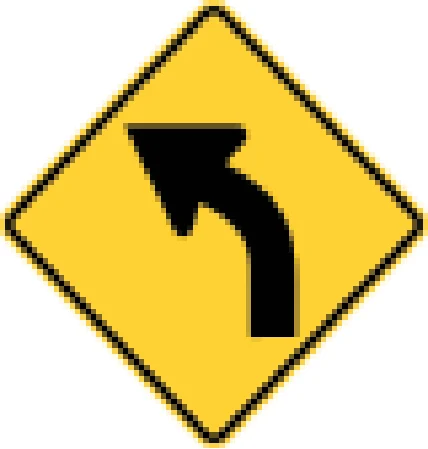
Road curves to the left ahead.
What to do: Slow down and steer smoothly through the left curve.
Shape: diamond · Color: yellow
Handbook p. 31 ↗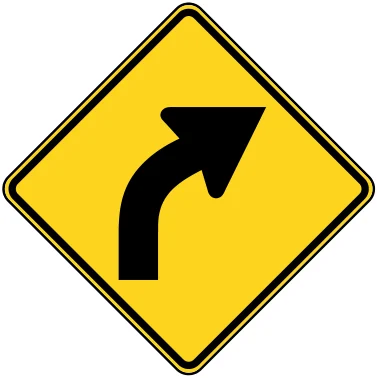
Road curves to the right ahead.
What to do: Slow down and steer smoothly through the right curve.
Shape: diamond · Color: yellow
Handbook p. 30 ↗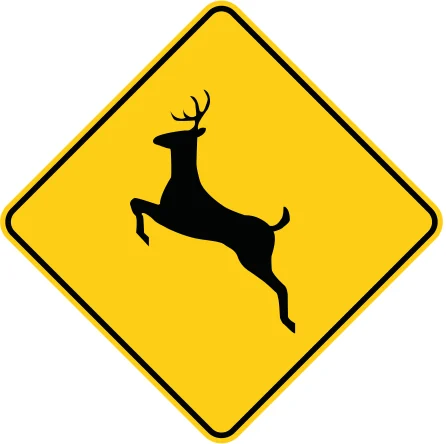
Deer may cross the road in this area.
What to do: Slow down and watch for deer, especially at dawn or dusk.
Shape: diamond · Color: yellow
Handbook p. 31 ↗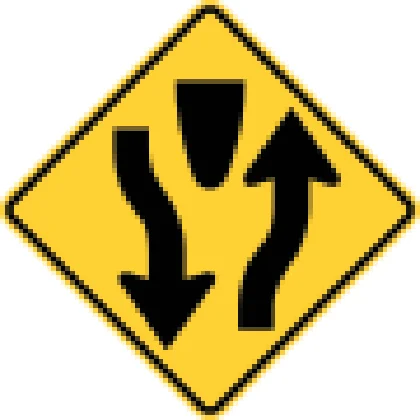
Road ahead splits into a divided highway with a median.
What to do: Keep right of the median and stay alert for the lane split ahead.
Shape: diamond · Color: yellow
Handbook p. 30 ↗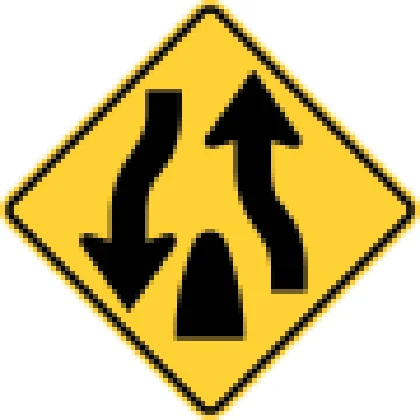
Divided highway ahead merges back into a two-way road.
What to do: Move back toward the right and be ready to meet oncoming traffic.
Shape: diamond · Color: yellow
Handbook p. 30 ↗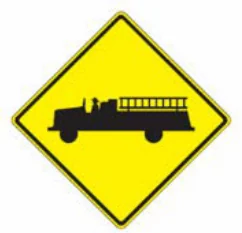
Warns of emergency vehicles entering or crossing the road.
What to do: Watch for emergency vehicles and yield if needed.
Shape: diamond · Color: yellow
Handbook p. 31 ↗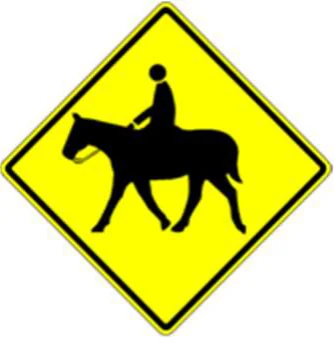
Horseback riders may cross or use the road ahead.
What to do: Slow down and pass horseback riders carefully and widely.
Shape: diamond · Color: yellow
Handbook p. 113 ↗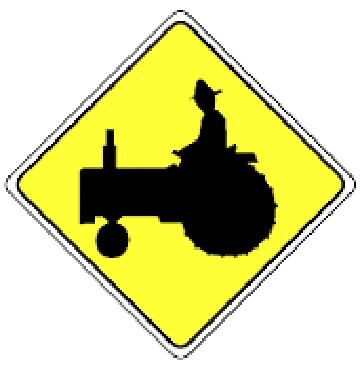
Slow-moving farm machinery may be on the road.
What to do: Slow down and pass farm equipment carefully when safe.
Shape: diamond · Color: yellow
Handbook p. 112 ↗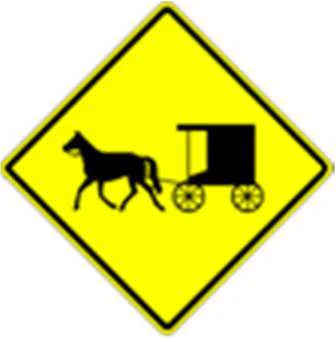
Slow, horse-drawn vehicles may be on the road.
What to do: Slow down and pass horse-drawn vehicles carefully and widely.
Shape: diamond · Color: yellow
Handbook p. 112 ↗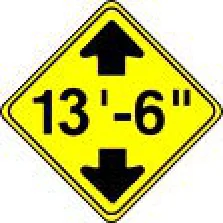
Warns of a low overhead clearance ahead.
What to do: Do not proceed if your vehicle is taller than the height shown.
Shape: diamond · Color: yellow
Handbook p. 31 ↗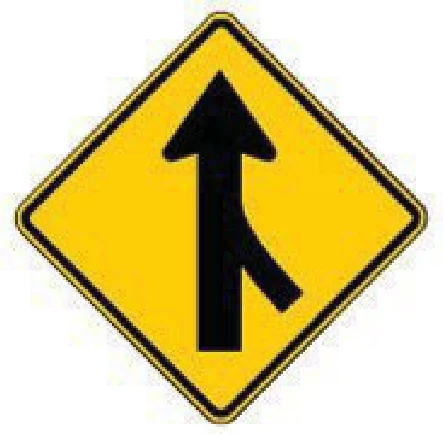
A lane from the side joins your road ahead.
What to do: Adjust speed and merge safely; yield to traffic already in your lane.
Shape: diamond · Color: yellow
Handbook p. 30 ↗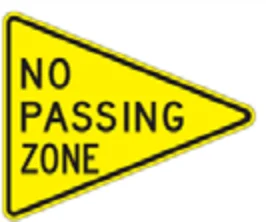
Marks the start of a section where passing is not allowed.
What to do: Do not pass other vehicles until you are past the no-passing zone.
Shape: pennant · Color: yellow
Handbook p. 31 ↗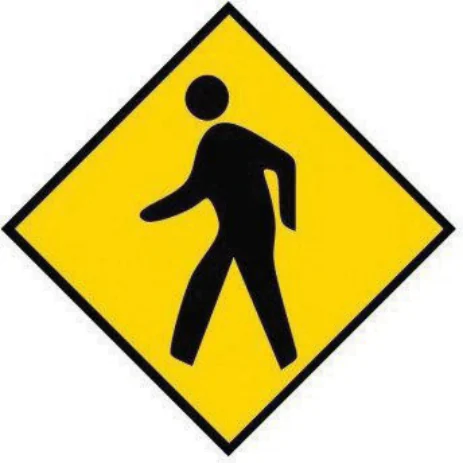
Pedestrians may be crossing the road ahead.
What to do: Slow down and yield to any pedestrians in or near the crosswalk.
Shape: diamond · Color: yellow
Handbook p. 30 ↗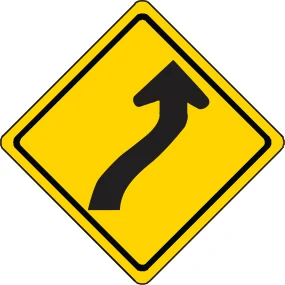
Road curves right then left ahead.
What to do: Slow down and steer carefully through both curves.
Shape: diamond · Color: yellow
Handbook p. 30 ↗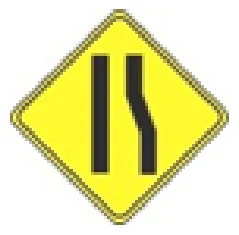
The road becomes narrower ahead.
What to do: Slow down and stay centered in your lane as the road narrows.
Shape: diamond · Color: yellow
Handbook p. 30 ↗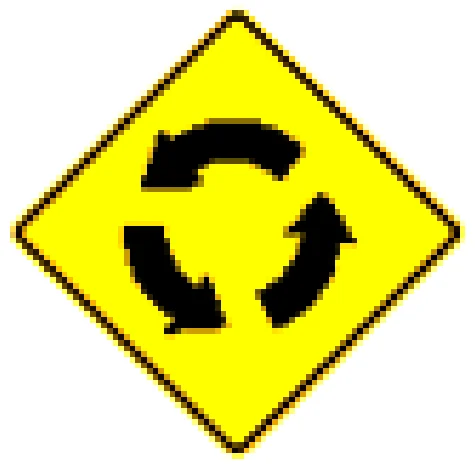
A roundabout is ahead where traffic circles counterclockwise.
What to do: Slow down and yield to traffic already in the roundabout.
Shape: diamond · Color: yellow
Handbook p. 96 ↗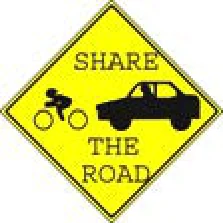
Bicyclists may be sharing the road ahead.
What to do: Watch for bicyclists and give them room when passing.
Shape: diamond · Color: yellow
Handbook p. 31 ↗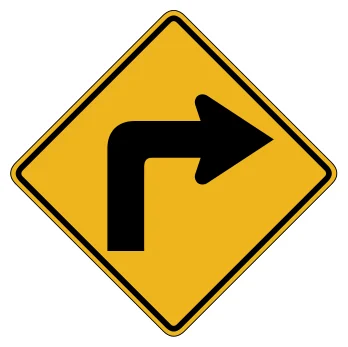
A sharp right turn is ahead in the road.
What to do: Slow down significantly before making the sharp right turn.
Shape: diamond · Color: yellow
Handbook p. 30 ↗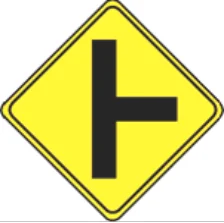
A side road joins the highway from the right ahead.
What to do: Watch for vehicles entering from the side road on the right.
Shape: diamond · Color: yellow
Handbook p. 30 ↗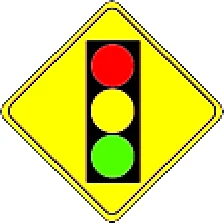
A traffic signal is ahead at the intersection.
What to do: Slow down and be ready to stop for the signal.
Shape: diamond · Color: yellow
Handbook p. 31 ↗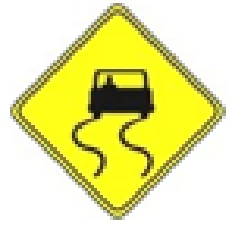
Road may be slick from rain, ice or oil.
What to do: Slow down, avoid sudden braking or sharp turns, and increase following distance.
Shape: diamond · Color: yellow
Handbook p. 31 ↗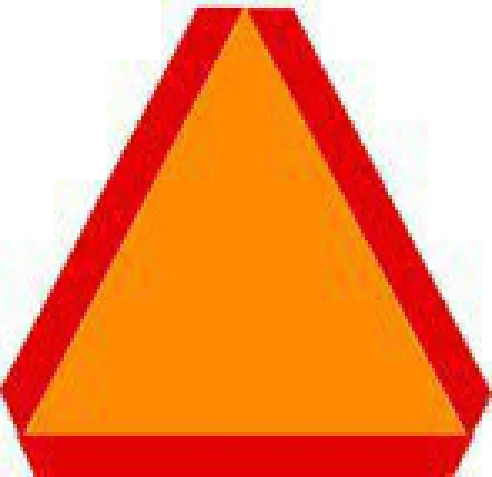
Marks a vehicle that travels much slower than normal traffic.
What to do: Slow down early and pass only when it is safe to do so.
Shape: triangle · Color: orange
Handbook p. 113 ↗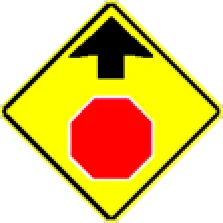
Warns that a stop sign is ahead.
What to do: Begin slowing down and prepare to stop at the upcoming stop sign.
Shape: diamond · Color: yellow
Handbook p. 31 ↗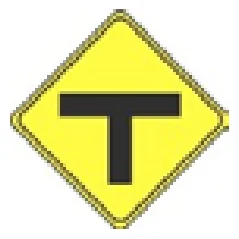
The road ahead ends in a T-shaped intersection.
What to do: Slow down and prepare to turn left or right.
Shape: diamond · Color: yellow
Handbook p. 30 ↗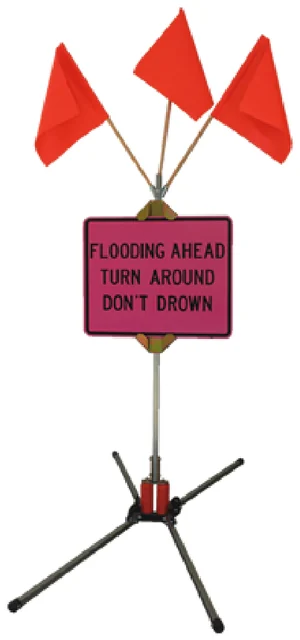
Warns that the road ahead is flooded; do not attempt to cross.
What to do: Turn around; do not drive into flooded roadways.
Shape: rectangle vertical · Color: other
Handbook p. 126 ↗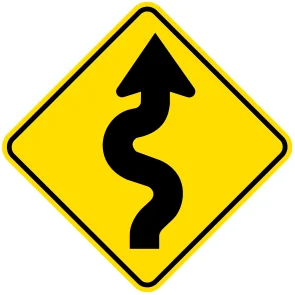
The road has several curves ahead.
What to do: Slow down and drive carefully through the series of curves.
Shape: diamond · Color: yellow
Handbook p. 30 ↗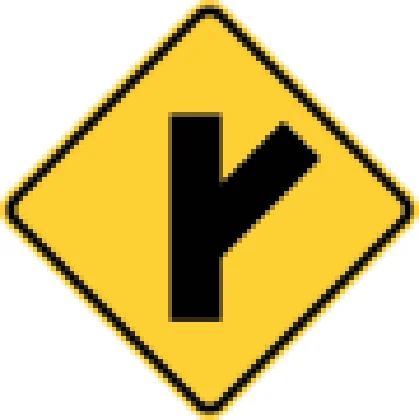
The road ahead forks into a Y-shaped intersection.
What to do: Slow down and choose the correct branch of the fork.
Shape: diamond · Color: yellow
Handbook p. 30 ↗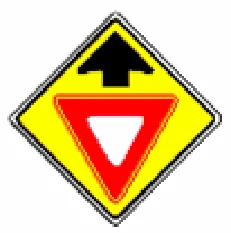
Warns a yield sign is ahead.
What to do: Slow down and prepare to yield.
Shape: diamond · Color: yellow
Handbook p. 31 ↗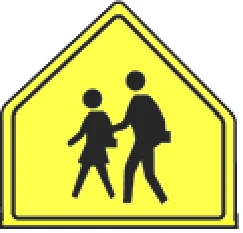
Warns of a school crossing ahead.
What to do: Slow down and watch for children crossing.
Shape: pentagon · Color: yellow
Handbook p. 30 ↗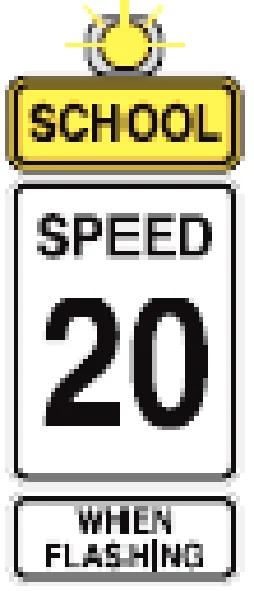
Shows the reduced school-zone speed limit when the beacon flashes.
What to do: Slow to the posted speed only while the beacon is flashing.
Shape: rectangle vertical · Color: yellow
Handbook p. 32 ↗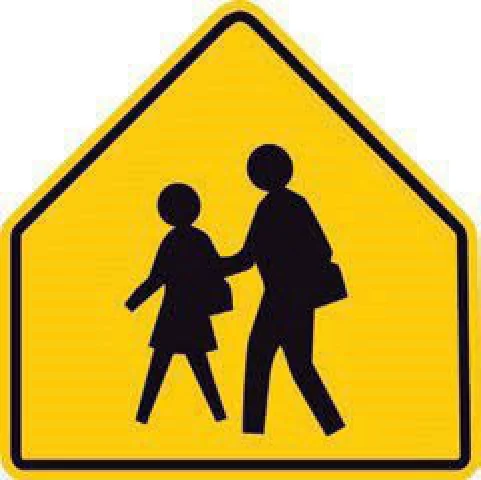
You are approaching a school area or crossing.
What to do: Slow down, watch for children, and be ready to stop.
Shape: pentagon · Color: yellow
Handbook p. 30 ↗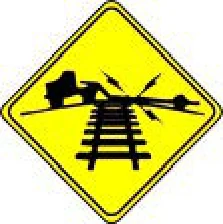
Warns of an uneven or rough railroad crossing surface.
What to do: Slow down; the crossing surface may be rough or uneven.
Shape: diamond · Color: yellow
Handbook p. 31 ↗
Marks an alternate route around a closure.
What to do: Follow the detour route as directed.
Shape: rectangle horizontal · Color: other
Handbook p. 35 ↗
Marks the end of a detour route.
What to do: Resume normal travel on the regular route.
Shape: rectangle horizontal · Color: other
Handbook p. 35 ↗
Warns that the exit ahead is closed.
What to do: Do not use this exit; continue to the next one.
Shape: rectangle horizontal · Color: other
Handbook p. 35 ↗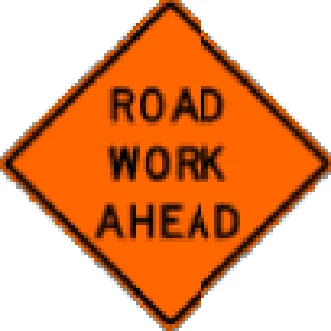
Warns of road construction ahead.
What to do: Slow down and watch for workers and equipment.
Shape: diamond · Color: orange
Handbook p. 36 ↗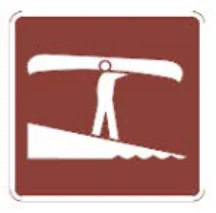
Indicates a canoe launch or portage area nearby.
What to do: Use for recreational route planning.
Shape: rectangle vertical · Color: brown
Handbook p. 35 ↗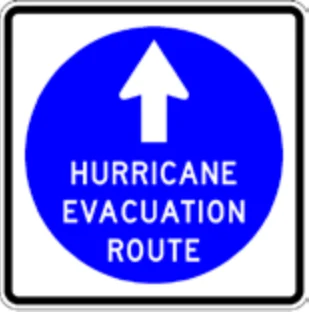
Marks a designated hurricane evacuation route.
What to do: Follow these markers when evacuating for a hurricane.
Shape: circle · Color: blue
Handbook p. 34 ↗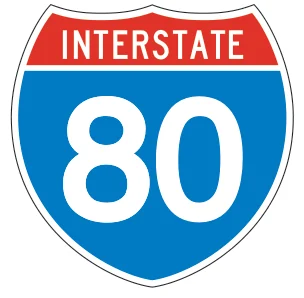
Identifies the interstate highway you are on.
What to do: Use the marker to confirm your route and navigate.
Shape: shield · Color: blue
Handbook p. 35 ↗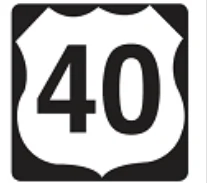
Marks a numbered U.S. highway route.
What to do: Use this marker to confirm you are on or to find the numbered US route.
Shape: shield · Color: white
Handbook p. 35 ↗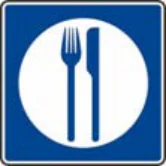
Indicates food services are available nearby.
What to do: Use to find a restaurant.
Shape: square · Color: blue
Handbook p. 35 ↗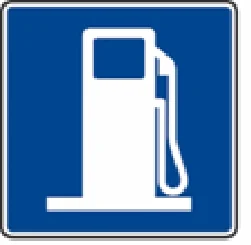
Marks a gas station near the road or exit.
What to do: Follow the sign if you need to refuel.
Shape: square · Color: blue
Handbook p. 35 ↗
Marks a site of historical interest.
What to do: Follow the sign if you want to visit the historical site; no action required otherwise.
Shape: rectangle horizontal · Color: brown
Handbook p. 35 ↗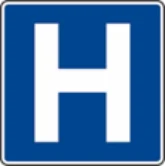
Indicates hospital services are available nearby.
What to do: Follow signs to reach the hospital in an emergency.
Shape: rectangle vertical · Color: blue
Handbook p. 35 ↗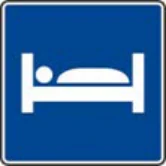
Indicates lodging is available nearby.
What to do: Use to find a hotel or motel.
Shape: rectangle vertical · Color: blue
Handbook p. 35 ↗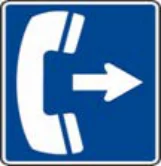
Indicates a public telephone is available nearby.
What to do: Use to find emergency or public phone access.
Shape: rectangle vertical · Color: blue
Handbook p. 35 ↗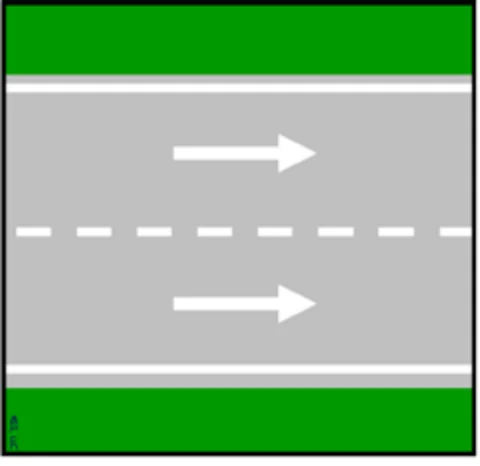
A broken white line separates lanes traveling the same direction.
What to do: You may change lanes across a broken white line when safe.
Shape: n/a · Color: n/a
Handbook p. 40 ↗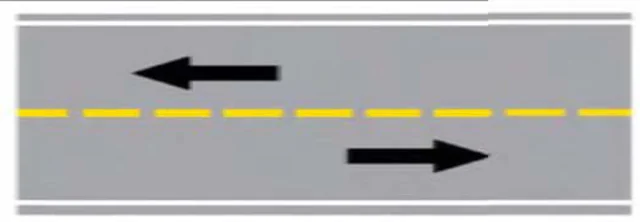
A broken yellow line means passing is allowed when safe.
What to do: You may pass when the way is clear across a broken yellow line.
Shape: n/a · Color: n/a
Handbook p. 39 ↗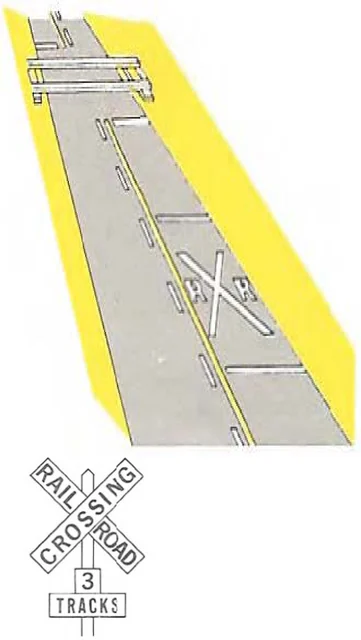
Painted on the road to warn of a railroad crossing ahead.
What to do: Slow down and prepare to stop if a train is coming.
Shape: n/a · Color: n/a
Handbook p. 100 ↗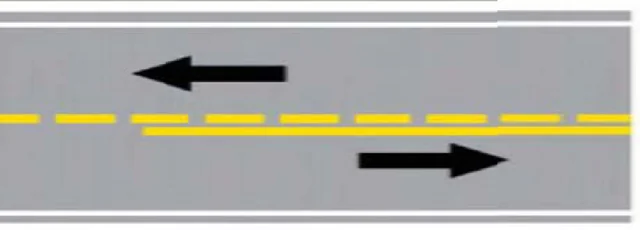
A solid yellow line means passing is prohibited on your side.
What to do: Do not pass when a solid yellow line is on your side.
Shape: n/a · Color: n/a
Handbook p. 39 ↗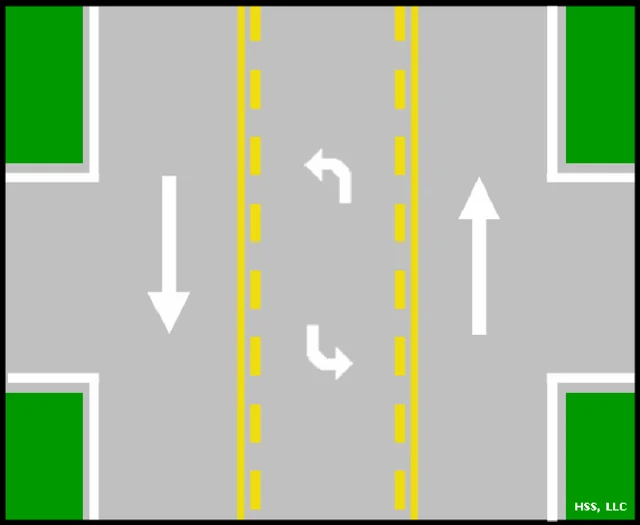
A shared center lane for left turns from either direction.
What to do: Use this lane only to turn left or wait to turn; do not drive through it.
Shape: n/a · Color: n/a
Handbook p. 95 ↗