A 2-minute lesson from the Iowa course. Read the rules and examples, follow the handbook page references, and check your understanding before you move on.
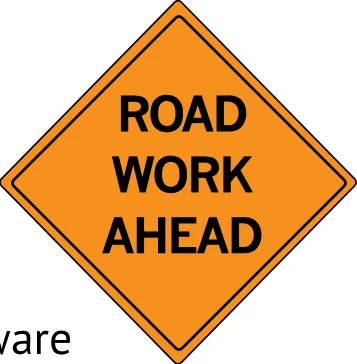
Work zones mark construction, maintenance, survey, and utility work. Arrow boards, temporary signals, flaggers, and channelizing devices guide you through, and road workers are relying on you to keep them safe.
Know the rule
Stay alert and drive cautiously—fines may double in work area zones.
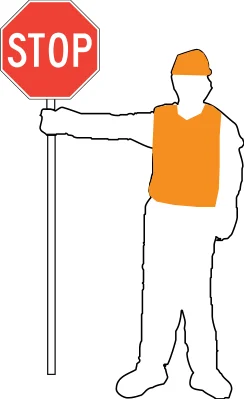
People with stop/slow paddles who control traffic. They wear fluorescent yellow-green or orange vests, shirts, or jackets; red flags may be used occasionally.
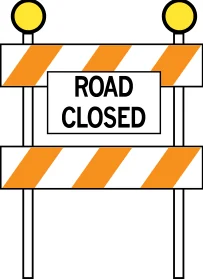
Barricades, vertical panels, drums, cones, and tubular markers that warn of unusual or dangerous conditions and guide you safely through the work zone.
A flagger holds up the STOP paddle at a lane closure. Stop and stay stopped until the flagger signals you to go, then drive through slowly with extra following distance.
Check your understanding
Read the question, decide on an answer, then open it to check the explanation. These are Roadwise study questions based on the source handbook.
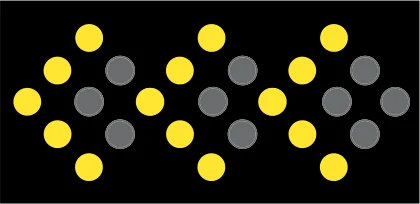
What is the purpose of an arrow board in a work zone?
To signal a closed lane or shoulder
To show the work zone speed limit
To mark where flaggers are standing
To show the location of the nearest exit
Answer: To signal a closed lane or shoulder
Large flashing arrow panels (arrow boards) are typically used when a lane or shoulder is closed.