A 2-minute lesson from the Maryland course. Read the rules and examples, follow the handbook page references, and check your understanding before you move on.
Disability parking spaces, access aisles and curb cuts exist so people with disabilities can get in and out of vehicles. Misusing them brings big fines, and some spots are off-limits even with a placard.
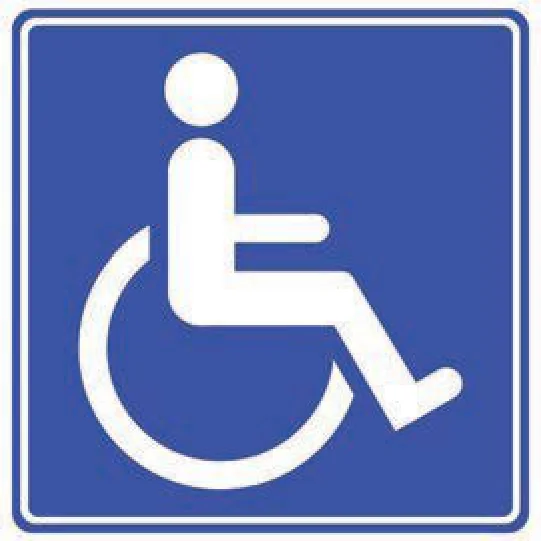
International symbol of access
Know the rule
You may park in a disability space only with an MVA-issued disability plate or placard, and only when the person who qualified for it is the driver or a passenger.
You're driving your grandmother's car, which has a disability placard, but she's at home. You may not park in a disability space. The qualifying person must be the driver or a passenger.
Check your understanding
Read the question, decide on an answer, then open it to check the explanation. These are Roadwise study questions based on the source handbook.
When can you legally park in a disability parking space?
Anytime the space is empty
If you park for less than 10 minutes
If you display any handicap symbol
When you have a disability plate/placard and the qualified person is in the vehicle
Answer: When you have a disability plate/placard and the qualified person is in the vehicle
You may only park in a disability space if you have a disability plate or placard and the qualified person is the driver or a passenger.