A 3-minute lesson from the Florida course. Read the rules and examples, follow the handbook page references, and check your understanding before you move on.
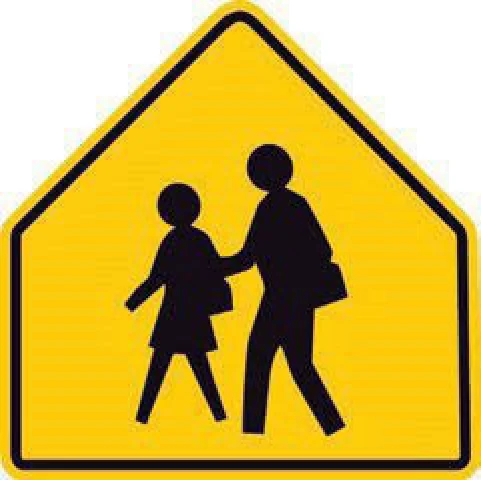
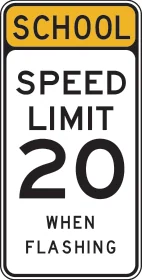
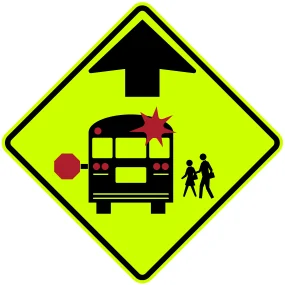
Pedestrian signals tell walkers when to cross, and drivers need to read them too. School zone signs mark where children may be and when lower speeds apply.
Pedestrian signals
Pedestrian signals
Signal
Meaning
WALK / walking person
You may begin to cross
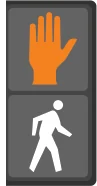
DON'T WALK / raised hand
Never start crossing, flashing or solid
Flashing, already in crosswalk
Finish crossing quickly
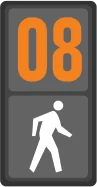
Countdown
Starts with the flashing hand; don't enter once it starts
Raised hand (DON'T WALK) and walking person (WALK)Countdown pedestrian signal
Know the rule
Rectangular Rapid Flashing Beacon: pedestrians push a button, and once the lights flash and traffic stops they may cross. Motorists must stop and yield to pedestrians in the crosswalk.
Counties and cities may use camera-equipped radar to enforce school-zone speed limits, with posted signs. The registered owner of a violating vehicle faces a $100 fine. (Pending 2023 legislation.)
You're approaching a pedestrian hybrid beacon and it turns steady red. Stop, because someone is crossing. When it switches to flashing red, go only after the pedestrian has cleared and the crosswalk is empty.
Check your understanding
Read the question, decide on an answer, then open it to check the explanation. These are Roadwise study questions based on the source handbook.
A flashing DON'T WALK (raised hand) signal at a crosswalk means:
Don't start crossing
Cross only if no cars are coming
You may still begin crossing if you hurry
Start only if the countdown is above 10
Answer: Don't start crossing
Never enter the crosswalk or begin crossing the street when the raised hand is flashing or solid.