Virginia driving lesson · Signals, Signs & Pavement Markings
Yellow & Green Signals, Dark Signals, Lane Use Signals & PHBs
A 3-minute lesson from the Virginia course. Read the rules and examples, follow the handbook page references, and check your understanding before you move on.
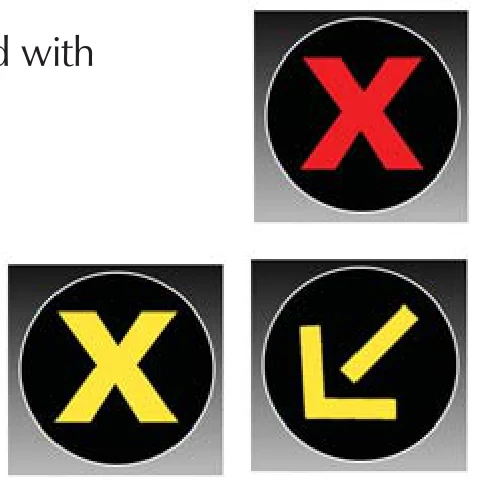
Yellow warns that the light is about to change; green lets you go only when the way is clear. Overhead lane signals tell you which lanes are open at different hours, and pedestrian hybrid beacons stop traffic for walkers at crossings with no regular stoplight.
Know the rule
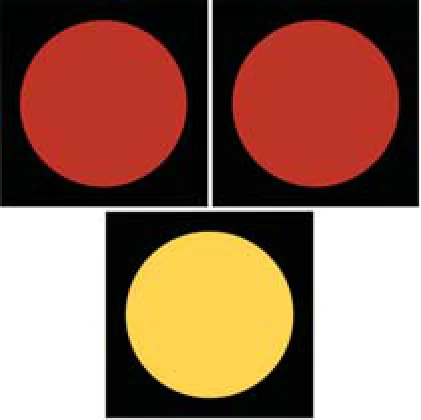
Steady yellow light or arrow: if you haven't entered the intersection, stop; if stopping is unsafe, cautiously go through. If you're already in the intersection, go through cautiously. Never speed up to beat the light.
Flashing yellow arrow: you may turn in the arrow's direction if clear, yielding to oncoming vehicles and pedestrians. If it changes from red while a pedestrian is crossing, let them finish first.
Green light: go if the way is clear. Green arrow: go in the arrow's direction if clear. Turning without a green arrow, yield to oncoming vehicles and pedestrians in the intersection.
Signals out of service (dark, no lights): stop and proceed as though it were an all-way stop, unless an officer or authorized person is directing traffic or portable stop signs are in use.
You're 50 feet from the intersection when the light turns yellow. Stop if you can do it safely. If you're already in the intersection, keep going cautiously. Don't accelerate to beat the red.
Check your understanding
Read the question, decide on an answer, then open it to check the explanation. These are Roadwise study questions based on the source handbook.
What does a flashing yellow light mean?
Stop completely before proceeding
Proceed at normal speed; it is only advisory
Yield only to pedestrians, not vehicles
Slow down and proceed with caution
Answer: Slow down and proceed with caution
A flashing yellow light warns of a higher-than-normal hazard; slow down and proceed with caution.