A 3-minute lesson from the Nebraska course. Read the rules and examples, follow the handbook page references, and check your understanding before you move on.
A standard traffic signal runs green, yellow, red, then green again. You must obey it unless a traffic officer is directing traffic or you need to make room for an emergency vehicle.
Know the rule
If a signal is dark (power failure or other cause) and no peace officer, flagger or other traffic control is present, treat the intersection as an all-way stop.
Steady yellow: the light is about to change. If you haven't entered the intersection, stop safely; if you're already in it, keep moving and clear it. Speeding up to "beat the light" is unlawful.
Flashing red: stop completely, yield to oncoming traffic and pedestrians, then go when the way is clear. At a railroad crossing it requires a complete stop even if no train is visible.
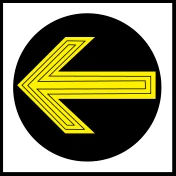
A steady yellow arrow works like a steady yellow light: if you're already in the intersection, continue in the arrow's direction and clear it. Speeding up to "beat the arrow" is unlawful.
You're waiting to turn left and the signal shows a flashing yellow arrow. You may turn, but only after yielding to oncoming traffic and to pedestrians in the crosswalk you'll cross.
Check your understanding
Read the question, decide on an answer, then open it to check the explanation. These are Roadwise study questions based on the source handbook.
The standard sequence of an automated traffic signal is: