A 3-minute lesson from the Missouri course. Read the rules and examples, follow the handbook page references, and check your understanding before you move on.
Traffic signals tell you when and where to stop and go. Flashing signals may be used during emergencies, at night, in low traffic and for special events. Left-turn arrows add another layer: some turns are protected, others make you wait for a gap.
Circular signals
Circular signals
Signal
What to do
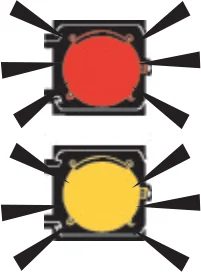
Flashing red
Same as a stop sign
Flashing yellow
Slow down and proceed with caution
Steady red
Stop at the stop line, crosswalk or intersection
Steady yellow
Changing to red; stop unless too close to stop
Green
Go, after yielding to anyone still in the intersection
At a red light, wait for green unless you're turning right. After a complete stop, you may turn right on red if the way is clear of pedestrians and traffic, unless a "No Right Turn On Red" sign is posted.
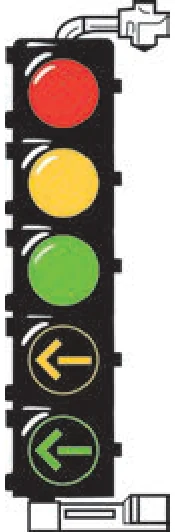
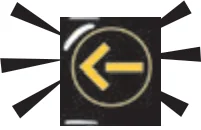
You're turning left and the signal shows a flashing yellow arrow. You may turn, but only after oncoming traffic leaves a safe gap and pedestrians are clear. A green arrow would mean opposing traffic is stopped by a red light.
Check your understanding
Read the question, decide on an answer, then open it to check the explanation. These are Roadwise study questions based on the source handbook.
What does a flashing red traffic light mean?
Proceed with caution, no stop required
Slow down only, do not stop
The same as a yield sign
The same as a stop sign
Answer: The same as a stop sign
A flashing red light means the same thing as a stop sign.