Michigan driving lesson · Right-of-Way, Passing, and Turning
Right of way when turning and at intersections
A 3-minute lesson from the Michigan course. Read the rules and examples, follow the handbook page references, and check your understanding before you move on.
Many traffic situations require you to yield the right of way to other vehicles, bicycles and pedestrians. These rules decide who waits when you turn, when a light changes, and when drivers arrive at an intersection together.
You must yield to other vehicles when:
Making a right turn, including at a red light
Turning left out of a driveway or alley, or completing a left turn on a green light
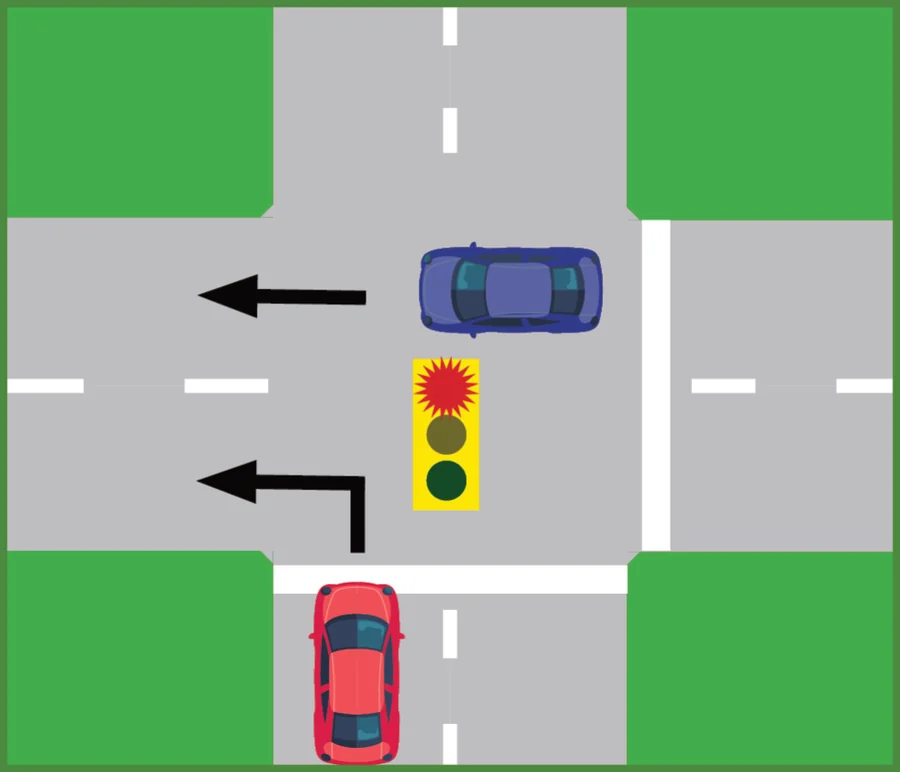
Figure 4.2: Left on red from a one-way street onto another one-way street
Know the rule
Left on red from a one-way street onto another one-way street: come to a complete stop and check for traffic approaching from the right before turning.
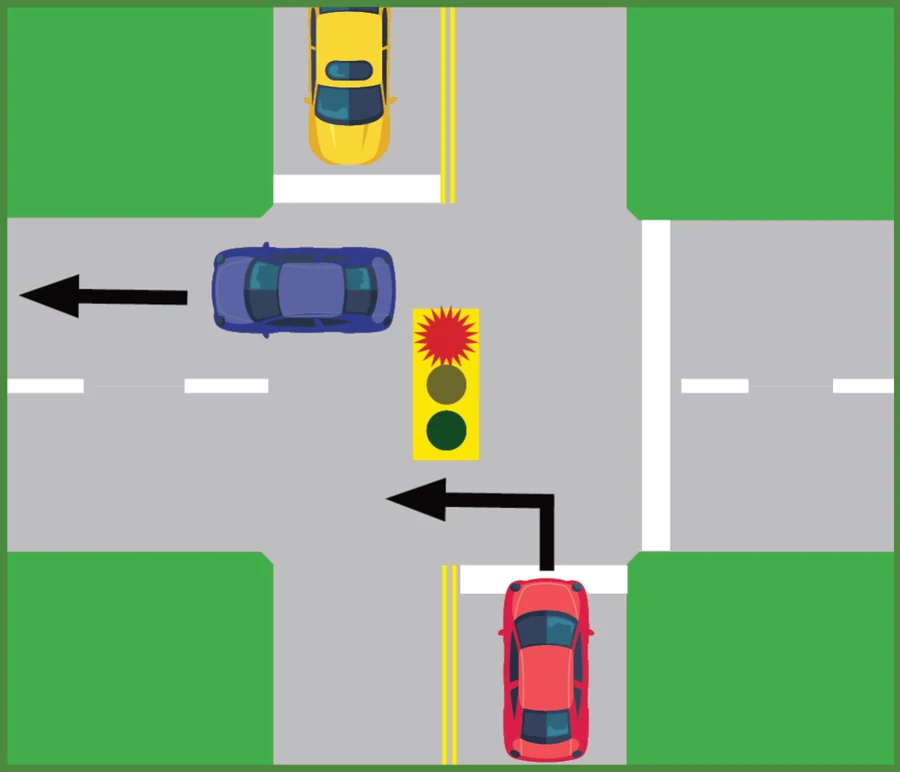
Figure 4.3: Left on red from a two-way street onto a one-way street
Know the rule
Left on red from a two-way street onto a one-way street: make a full stop, scan for vehicles from the right, and yield to vehicles opposite you that are turning right.
Turning left on green, go once all oncoming traffic has cleared. If the light turns red while you're still in the intersection, complete your turn as quickly and safely as possible.
At a stop sign or flashing red signal, come to a complete stop at the stop line or crosswalk. If there is none, stop where you can see all approaching traffic without pulling into the intersection.
At a four-way stop, the driver who arrived and stopped first goes first. If two or more arrive at the same time, the vehicle on the left yields to the vehicle on its right.
At a malfunctioning traffic signal, come to a complete stop and yield to vehicles already at the intersection. If you arrive together, yield to the vehicle on your right.
At a flashing yellow arrow, yield to traffic before completing your turn. At a T-intersection without signals or signs, yield to vehicles on the through road.