Roadwise States Massachusetts Driving lessons Handling Driving Emergencies Massachusetts driving lesson · Special Situations & Crashes
Handling Driving Emergencies A 4-minute lesson from the Massachusetts course. Read the rules and examples, follow the handbook page references, and check your understanding before you move on.
Read time 4 minutes
Course unit Special Situations & Crashes
Checkpoint questions 6
Source pages 131, 132, 133 In an emergency you often have only a moment to react. Think clearly and don't panic: knowing the right steps ahead of time can save a life.
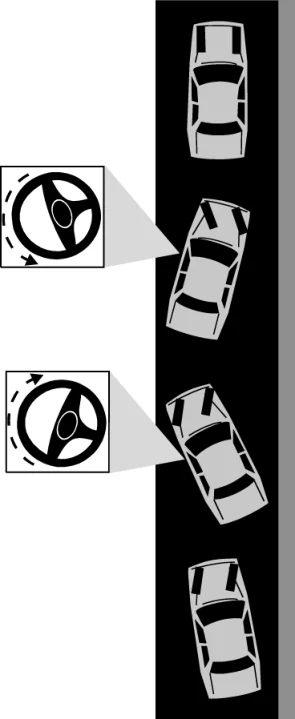
Skidding (same for front- and rear-wheel drive): Slowly take your foot off the gas pedal and shift into neutral Don't hit the brakes; it makes the skid worse Turn the wheel in the direction of the skid: rear sliding left, steer left; sliding right, steer right You may need to steer left and right a few times to get the car completely under control Handbook p. 131 ↗ Steer in the direction of the skid Running off the pavement onto the shoulder: Hold the steering wheel tightly and slowly take your foot off the gas Gently apply the brake to reduce your speed Check for traffic behind you, then steer gently back onto the road Handbook p. 132 ↗ Flat tire, blowout or lost wheel: Grip the wheel tightly and slowly take your foot off the gas Gently apply the brakes If you begin to skid, turn the wheel in the direction of the skid Gently straighten the car; don't use the brake until the vehicle is under control Pull off the road as soon as it's safe Handbook p. 132 ↗ Antilock brakes don't respond when fully pressed: Downshift, working down to the lowest gear if necessary Apply the parking brake gently, holding the release in case you start to skid Can't slow down? Sound your horn and flash your lights to warn others Handbook p. 132 ↗ Know the rule
Without antilock brakes, first pump the brake pedal several times rapidly to build up brake fluid pressure; if that doesn't work, follow the steps above. Never pump antilock brakes. Your dashboard indicator or manual shows which type you have.
Handbook p. 132 ↗ Stuck gas pedal: Put the car in neutral and press the brake pedal to slow down Try to free the gas pedal with your foot If it doesn't release, reapply the brakes Keep your eyes on the road, and pull over and stop when it's safe Handbook p. 132 ↗ Know the rule
If a vehicle is coming toward you head-on in your lane, slow down, pull to the right, and sound your horn to alert the other driver.
Handbook p. 133 ↗ If your headlights suddenly go out: Turn on your parking lights, emergency flashers or turn signal Try the headlight switch a few times Pull off the road as quickly as possible and leave the emergency flashers on Handbook p. 133 ↗ Stalled on railroad tracks with a train coming: Get everyone out of the vehicle IMMEDIATELY and move as far from the tracks as you can Run at a 45-degree angle away from the tracks, toward the direction the train is coming from Then immediately call 911 Handbook p. 133 ↗ Know the rule
Stalled with no train coming? Open a window or door and listen, try the engine, and if it won't start, shift to neutral and push it off. If you can't, call the Emergency Notification System number on the crossbuck or metal box and give the DOT crossing number.
Handbook p. 133 ↗ Put it into practice
On an icy curve, your car's rear end slides to the right. Ease off the gas, shift to neutral, stay off the brakes, and steer right, into the skid, correcting as needed until you're back in control.
A useful reminder Skid: steer the way the rear is sliding, and stay off the brakes.
Check your understanding Read the question, decide on an answer, then open it to check the explanation. These are Roadwise study questions based on the source handbook.
If your vehicle starts to skid, what should you do with your steering wheel? Turn it opposite the skid Turn it in the direction of the skid Hold it perfectly straight Turn it sharply back and forth Answer: Turn it in the direction of the skid
Always turn your steering wheel in the direction of the skid.
Handbook p. 131 ↗ If your vehicle's gas pedal sticks, what is the first thing you should do? Turn off the engine immediately Pull the parking brake hard Pump the gas pedal to free it Put the car in neutral and press the brake Answer: Put the car in neutral and press the brake
Put the car in neutral and apply the brake to slow down when a gas pedal sticks.
Handbook p. 132 ↗ If your vehicle stalls on railroad tracks and a train is coming, what should you do? Get out and run at 45 degrees toward the train Stay inside and try to restart the engine Push the vehicle off the tracks yourself Run straight away from the tracks in any direction Answer: Get out and run at 45 degrees toward the train
Exit immediately and move away at a 45-degree angle toward the direction the train is coming from, to avoid flying wreckage.
Handbook p. 133 ↗ If your brakes fail and your vehicle does NOT have antilock brakes, what should you do? Pump the parking brake only Pump the brake pedal rapidly Turn off the engine immediately Shift into the highest gear Answer: Pump the brake pedal rapidly
With non-antilock brakes, pump the pedal rapidly to build brake fluid pressure.
Handbook p. 132 ↗ If your vehicle has antilock brakes and they fail to respond, what is one recommended step? Pump the antilock brakes rapidly Turn off the ignition while moving Downshift to a lower gear Shift into neutral and coast Answer: Downshift to a lower gear
With antilock brake failure, downshift to a lower gear and apply the parking brake gently.
Handbook p. 132 ↗ If a vehicle is heading toward you head-on in your lane, what should you do? Slow down, pull to the right, and sound your horn Speed up to pass them quickly Flash your high beams and hold your lane Swerve left into the oncoming lane Answer: Slow down, pull to the right, and sound your horn
Slow down and pull to the right, sounding your horn to alert the other driver.
Handbook p. 133 ↗ Previous lesson Aggressive Drivers, Slow Vehicles & Funeral Processions Next lesson Traffic Stops More in Special Situations & Crashes About the source Roadwise’s Massachusetts course uses the driver handbook edition supplied with this study pack. This lesson cites source pages 131, 132, 133. The linked PDF is a third-party mirror of the handbook, rather than a government-hosted page.
Open the handbook source PDF · View the source edition
For current application requirements, fees, appointments, and the format that applies to your age or license type, check Massachusetts’s RMV. Roadwise provides study material and does not issue permits or licenses.