Roadwise States District of Columbia Driving lessons Sign colors & shapes District of Columbia driving lesson · Signs, Signals & Pavement Markings
Sign colors & shapes A 3-minute lesson from the District of Columbia course. Read the rules and examples, follow the handbook page references, and check your understanding before you move on.
Read time 3 minutes
Course unit Signs, Signals & Pavement Markings
Checkpoint questions 6
Source pages 52 You can read a sign's message from its color and shape before you read its words. In heavy fog, the shape may be all you can make out.
Know the rule
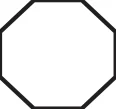
The octagon always means stop. Come to a complete stop at the sign, stop line, pedestrian crosswalk, or before entering the intersection.
Handbook p. 52 ↗ Know the rule
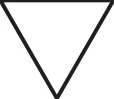
A triangle means yield: slow down, or stop if necessary, and give the right of way to vehicles crossing your path.
Handbook p. 52 ↗ Know the rule
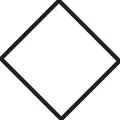
Diamond signs warn of special conditions or hazards ahead. You may have to slow down, so be ready.
Handbook p. 52 ↗ Know the rule
In poor visibility, such as heavy fog, you may be able to make out only the shape of a sign.
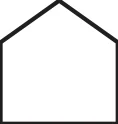
Handbook p. 52 ↗ Octagon: stop Triangle: yield Diamond: warning Pentagon: school zone or crossing Put it into practice
In thick fog you see a five-sided sign but can't read it. The shape alone tells you it's a school zone or school crossing. Slow down and watch for children.
A useful reminder Yellow = warning, orange = work zone, white = regulatory law. Brown and blue are services and recreation.
Check your understanding Read the question, decide on an answer, then open it to check the explanation. These are Roadwise study questions based on the source handbook.
What does a red sign color typically indicate? General warning of what to expect ahead Guide information like distance or direction Stop, yield, do not enter, or wrong way Motorist services Answer: Stop, yield, do not enter, or wrong way
Red signs signal stop, yield, do not enter, or wrong-way conditions.
Handbook p. 52 ↗ What does an orange sign color typically indicate? A construction or work area warning Motorist services Recreational areas Guide information like mileage Answer: A construction or work area warning
Orange is used for construction and maintenance work area warnings.
Handbook p. 52 ↗ What does a blue sign color typically indicate? Recreational and cultural interest areas Motorist services Guide information like distance Regulatory instructions Answer: Motorist services
Blue signs point out motorist services, such as gas, food, or lodging.
Handbook p. 52 ↗ What shape always means 'stop'? The triangle shape The diamond shape The pentagon shape The octagon (eight-sided) shape Answer: The octagon (eight-sided) shape
The octagonal shape always means stop, regardless of the sign's color or wording.
Handbook p. 52 ↗ What shape is used specifically to mark school zones and school crossings? A round shape A diamond shape A pentagon (five-sided) shape A rectangle shape Answer: A pentagon (five-sided) shape
The five-sided pentagon shape is reserved for school zone and school crossing signs.
Handbook p. 52 ↗ In poor visibility, such as heavy fog, what might be the only part of a sign you can make out? Its shape Its exact wording Its reflective coating Its mounting height Answer: Its shape
In poor visibility conditions, only a sign's shape may remain visible, which is why shapes carry distinct meanings.
Handbook p. 52 ↗ Previous lesson Railroad crossings & lane-use signals Next lesson Regulatory signs More in Signs, Signals & Pavement Markings About the source Roadwise’s District of Columbia course uses the driver handbook edition supplied with this study pack. This lesson cites source pages 52. The linked PDF is a third-party mirror of the handbook, rather than a government-hosted page.
Open the handbook source PDF · View the source edition
For current application requirements, fees, appointments, and the format that applies to your age or license type, check District of Columbia’s DMV. Roadwise provides study material and does not issue permits or licenses.