A 3-minute lesson from the Alaska course. Read the rules and examples, follow the handbook page references, and check your understanding before you move on.
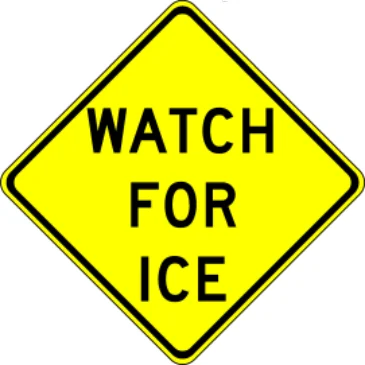
Weather affects both what you can see and how well your tires grip. You can't avoid what you can't see, and you can't stop or turn quickly on rain, snow or ice.
Know the rule
The first half hour after rain often makes hard-surface roads slippery: oil, dirt and tire dust mix with water before they're washed away.
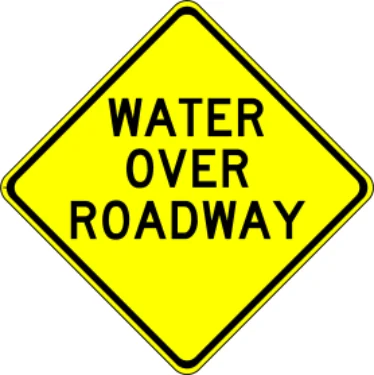
After a heavy rain, water is flowing across a dip in the road ahead. It looks only a few inches deep. Turn around. Six inches can stall your car, the road beneath may be washed out, and two feet of moving water can sweep a pickup away.
Check your understanding
Read the question, decide on an answer, then open it to check the explanation. These are Roadwise study questions based on the source handbook.
When are hard-surface roads often especially slippery after rain begins?
During the first half hour
Only after several hours of rain
Only once the rain has stopped
Only when temperatures are below freezing
Answer: During the first half hour
The first half hour after a rain often makes hard surface roads slippery, as oil, dirt and tire dust mix with water.