Washington driving lesson · Conditions and Emergencies
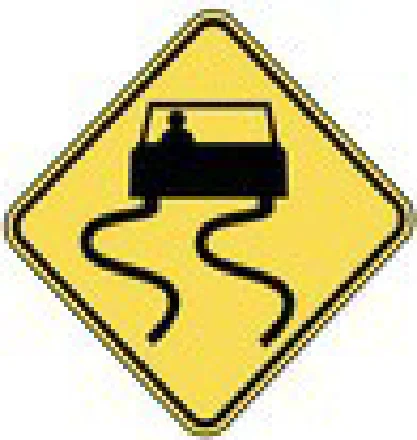
Slippery roads, skids, and hydroplaning
A 3-minute lesson from the Washington course. Read the rules and examples, follow the handbook page references, and check your understanding before you move on.
Washington's rain, snow, and ice take away the grip your tires need. Most skids come from going too fast and turning or stopping suddenly, so the best fix is prevention. If you do lose traction, a calm sequence of steps gets it back.
Know the rule
On slippery roads, adjust to conditions, which might mean driving below the posted speed limit.
When rain starts on a hot day, the pavement can be very slippery for the first few minutes: heat brings oil in the asphalt to the surface until it washes away.
Snowy roads require a larger following distance and dramatically reduced speed. Use snow tires or chains when required; chains or studded tires improve winter traction.
If you hydroplane without antilock brakes, forcefully pressing the brake could make you hydroplane more. With ABS, the brakes help the vehicle regain contact with the road.
On a wet freeway your steering suddenly feels light, as if the car is floating. You're hydroplaning. Ease off the gas, press the brakes gently, hold the wheel steady without jerking it, and look where you want to go until the tires grip again.
Check your understanding
Read the question, decide on an answer, then open it to check the explanation. These are Roadwise study questions based on the source handbook.
It just started raining on a hot day after a dry spell. Why is the road especially slippery for the first few minutes?
Visibility drops suddenly
Oil in the asphalt rises to the surface until it washes away
The tires haven't warmed up yet
The road hasn't been salted
Answer: Oil in the asphalt rises to the surface until it washes away
Heat brings oil in the asphalt to the surface, making the road slippery until it washes away.