A 3-minute lesson from the Utah course. Read the rules and examples, follow the handbook page references, and check your understanding before you move on.
Utah sorts licenses by the vehicle you drive. Almost everyone needs Class D, which covers personal vehicles. Classes A, B, and C are commercial licenses for heavy vehicles, big passenger loads, or hazardous materials. Lawful status decides whether you get a regular, limited-term, or privilege card.
Utah's classified license system
Utah's classified license system
Class
What it covers
Age rule
A
Combined GVWR 26,001+ lbs; towed unit over 10,001 lbs
Intrastate only for ages 18–20
B
Single/combined over 26,001 lbs; towed unit under 10,001
Intrastate only for ages 18–20
C
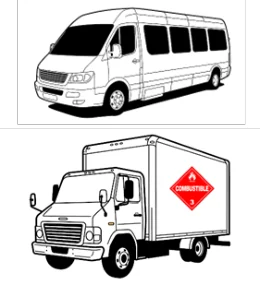
Single under 26,001 lbs: 16+ occupants or placarded hazmat
Minimum age 21
D
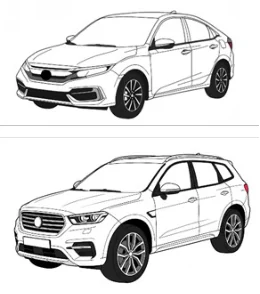
All vehicles that aren't Class A, B, C, or motorcycle
Lets you drive a vehicle with a GVWR of 26,001 lbs. or more, or one designed for 16+ passengers, hazardous materials, doubles/triples, tankers, or school buses.
A DPC expires every year on the holder's birthday. Otherwise the same classes, endorsements, fees, restrictions, and sanctions apply as for a regular Class D license.
A 19-year-old is hired to drive a loaded dump truck over 26,001 pounds with no trailer. That calls for a Class B license, and because she is between 18 and 20 it will carry an intrastate restriction: Utah only.
Check your understanding
Read the question, decide on an answer, then open it to check the explanation. These are Roadwise study questions based on the source handbook.
Which license class covers all vehicles not classified as A, B, C, or motorcycle?
Class C
Class B
Class D
Class A
Answer: Class D
Class D covers all vehicles NOT defined as Class A, Class B, Class C, or motorcycle.