A 3-minute lesson from the Texas course. Read the rules and examples, follow the handbook page references, and check your understanding before you move on.
Posted limits are the most you may drive under normal conditions, not a promise that it's safe. Texas sets default limits by type of road, and lets state and local authorities change them.
Know the rule
You must obey posted minimum and maximum speed limits. In heavy traffic, bad weather, low visibility or other poor conditions, adjust your speed and following distance.
The 70 mph limit on numbered highways (including Farm to Market and Ranch to Market roads) applies to cars, motorcycles, light trucks, trucks, buses and school activity buses, with or without a trailer.
The Texas Transportation Commission, regional mobility authorities and local governments may raise or lower limits based on traffic studies. Many limited-access highways have limits of 75 up to 85 mph.
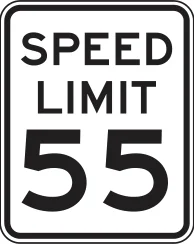
A highway is posted 55 mph, but heavy rain has cut your visibility. Driving 55 isn't automatically legal: under the basic speed law you must slow to what's safe and prudent for the conditions.
Check your understanding
Read the question, decide on an answer, then open it to check the explanation. These are Roadwise study questions based on the source handbook.
What is the speed limit in an urban district unless otherwise posted?