A 3-minute lesson from the Rhode Island course. Read the rules and examples, follow the handbook page references, and check your understanding before you move on.
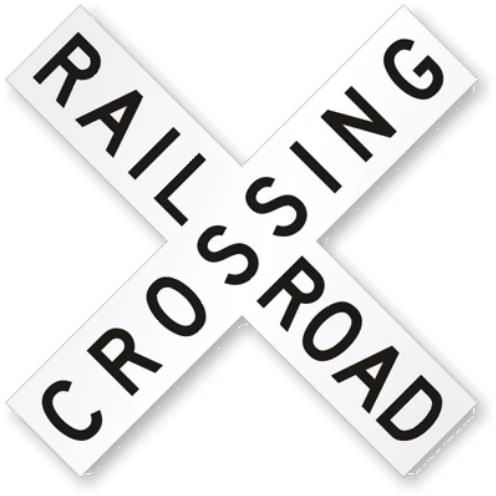
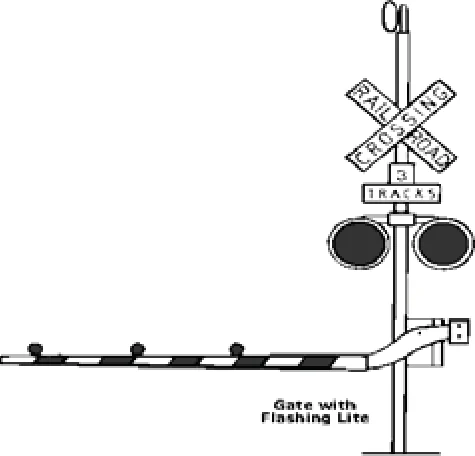
A train can't swerve and may need more than a mile to stop, so railroad crossings demand patience. Fire and water emergencies have their own counter-intuitive rules: don't open a burning hood, and don't open the door in water.
If your car stalls on the tracks and a train is coming:
Get everyone out and off the tracks, as far away as possible
Run away from the tracks in a parallel line, in the direction opposite to the train's travel
Debris from the crash travels the same direction the train is moving
Your car stalls on the tracks and you see a train approaching from the east, heading west. Get everyone out and run away from the tracks toward the east—the direction the train is coming from—so the westbound debris flies away from you.
Check your understanding
Read the question, decide on an answer, then open it to check the explanation. These are Roadwise study questions based on the source handbook.
If your vehicle stalls on railroad tracks with a train approaching, what should you do?
Stay inside and try to restart the engine
Get out and run opposite the train's direction of travel
Push the vehicle off the tracks yourself
Run in the same direction the train is traveling
Answer: Get out and run opposite the train's direction of travel
Get everyone out and run far from the tracks in the direction opposite the train's travel, since the debris field moves the same way the train does.