A 3-minute lesson from the Mississippi course. Read the rules and examples, follow the handbook page references, and check your understanding before you move on.
Emergencies give you seconds to react, so decide now what you'll do. Most skids are caused by driving too fast for the weather and road conditions, and the first minutes of rain are the slickest of all.
Know the rule
The opening minutes of rain or drizzle are the slickest and most dangerous: the first water loosens accumulated dirt and grease, which quickly coats the road with a slick film. Slow down when rain begins to fall.
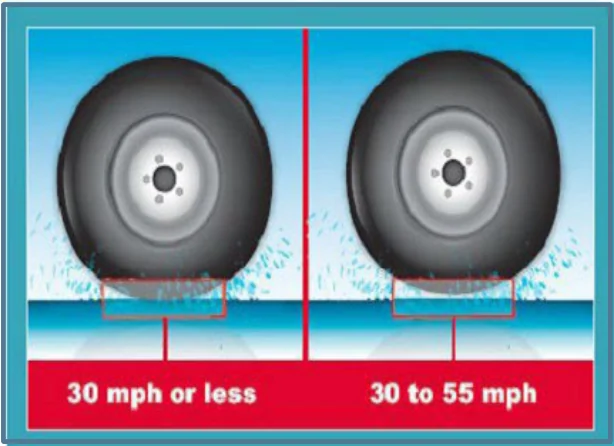
When the steering tires ride up on pooled water, like water skis. The best way to avoid it is to slow down in rain or when the road has pooled water or puddles.
If your vehicle starts to skid, turn the wheel in the direction of the skid, but only if you can do it without running off the road or hitting something. Braking suddenly increases a skid, and never use the clutch to stop a skid.
If your car becomes disabled, pull over to the extreme right shoulder. If you must walk for help, walk on the left side of the highway, facing oncoming traffic.
Your front tire blows out at highway speed. Don't brake suddenly. Take your foot off the accelerator, then apply the brakes slowly and cautiously, and pull onto the extreme right shoulder.
Check your understanding
Read the question, decide on an answer, then open it to check the explanation. These are Roadwise study questions based on the source handbook.
What should you do if your vehicle begins to skid?
Brake hard immediately
Shift into neutral and coast
Turn the wheel opposite the direction of the skid
Steer in the direction of the skid
Answer: Steer in the direction of the skid
You should steer in the direction of the skid; braking suddenly or using the clutch will make the skid worse.