A 3-minute lesson from the Indiana course. Read the rules and examples, follow the handbook page references, and check your understanding before you move on.
A safe turn starts well before the intersection: get into the correct lane early, signal, and yield to oncoming vehicles and pedestrians.
Know the rule
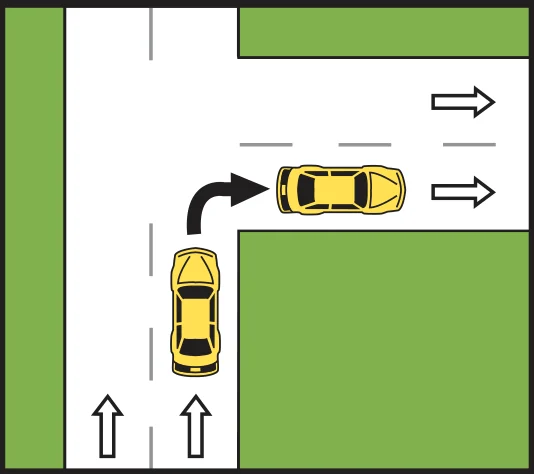
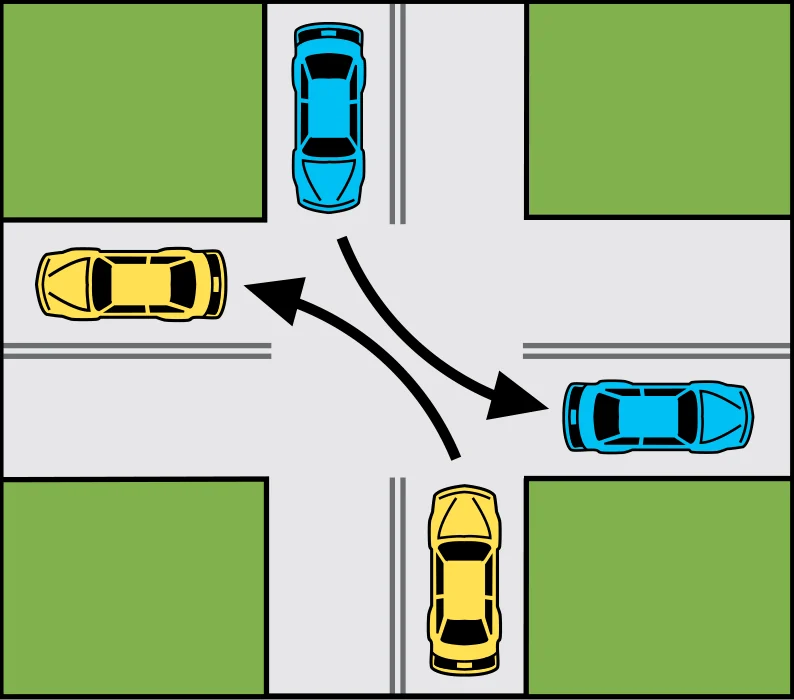
Move into the proper lane well before the turn, using your signal. To turn left, be in the far-left lane for your direction; to turn right, the far-right lane. Yield to oncoming vehicles and pedestrians.
Turning right from a one-way road onto a one-way roadTurning left from a two-way road onto a two-way road
Know the rule
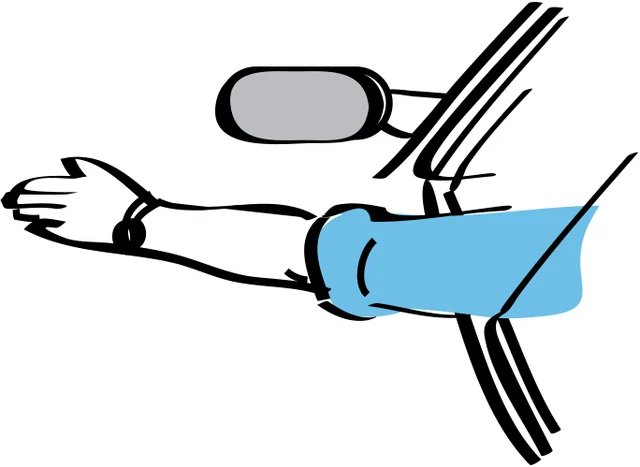
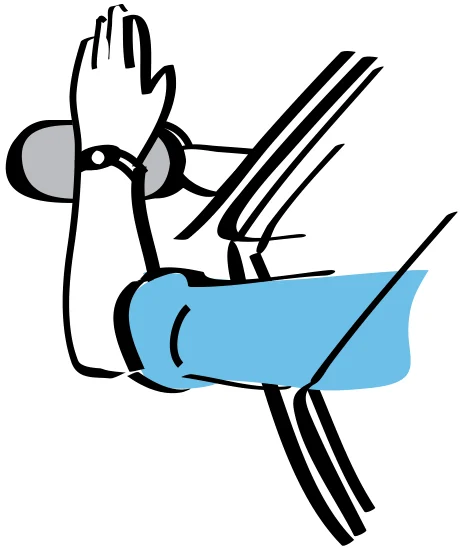
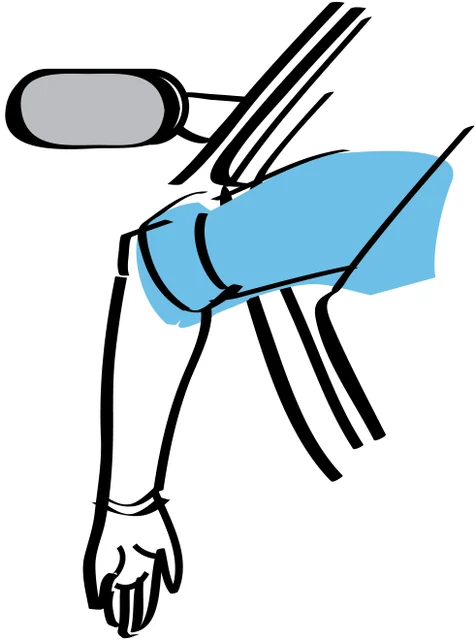
You must signal before turning or changing lanes. Your vehicle's lighted signals are safest. If one malfunctions you may use hand signals, but never on a driving skills exam.
Hand signal: left turn (arm straight out)Hand signal: right turn (arm bent up)Hand signal: stop or slow (arm bent down)
Know the rule
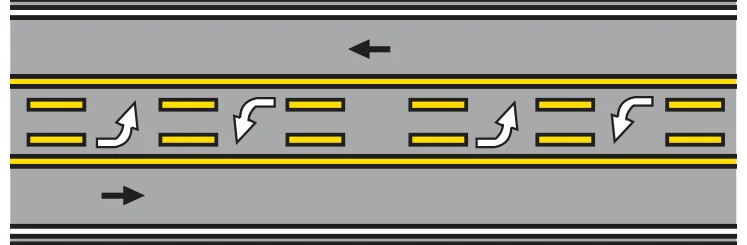
Busy roads may have a center lane for left turns only, marked by a CENTER LANE ONLY sign with alternating arrows or by pavement arrows (some have neither). Watch for oncoming drivers entering it, and never use it to pass.
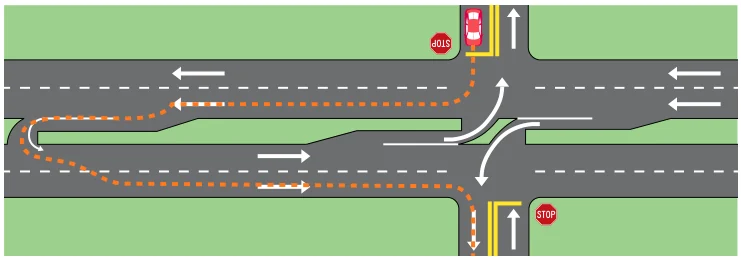
At a median U-turn (J-turn) intersection, left turns are prohibited at the intersection itself. Drive through, then U-turn at a median opening ahead, following the signs.
You need to turn left from a road with two lanes in each direction. Signal early and move into the far-left lane. Then wait for a gap, yielding to oncoming vehicles and pedestrians, before you turn.
Check your understanding
Read the question, decide on an answer, then open it to check the explanation. These are Roadwise study questions based on the source handbook.
Which lane should you be in to make a legal left turn?
The far-right lane for your direction
Any lane going your direction
A center turn lane only
The far-left lane for your direction
Answer: The far-left lane for your direction
To turn left, be in the far-left lane for your direction of travel.