A 3-minute lesson from the Idaho course. Read the rules and examples, follow the handbook page references, and check your understanding before you move on.
Traffic control devices are signals, signs, and pavement markings; officers, highway personnel, and school crossing guards can direct traffic too, and you must obey them. Learn signs by color and shape so you can read them before you can read the words.
Know the rule
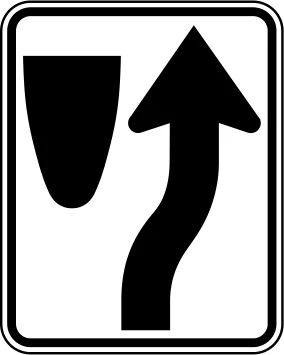
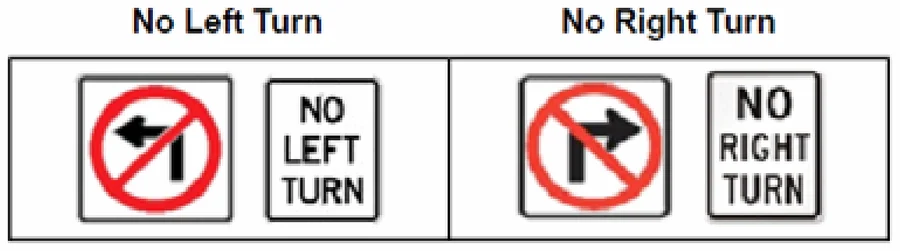
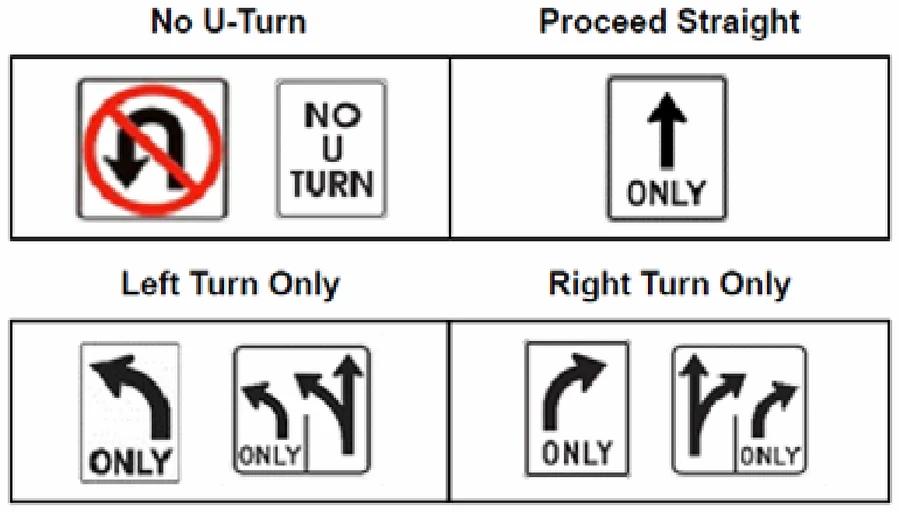
Regulatory signs tell you what you must do. They are generally black and white, although some are red and white.
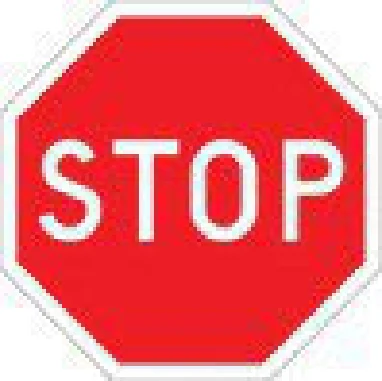
At a STOP sign, stop at the marked stop line. With no stop line, stop before the crosswalk on the near side. With no crosswalk, stop where you can see approaching traffic before entering the intersecting highway.
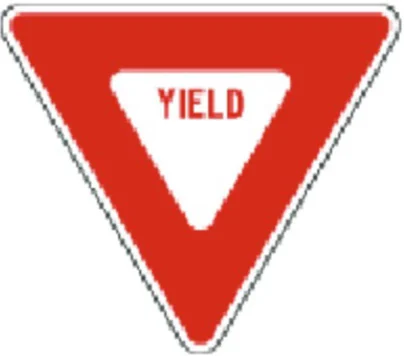
At a YIELD sign, slow down and yield to vehicles and pedestrians in the intersection or on the highway you're entering; stop if necessary. If pedestrians are in or about to enter the crosswalk, stop until they have crossed.
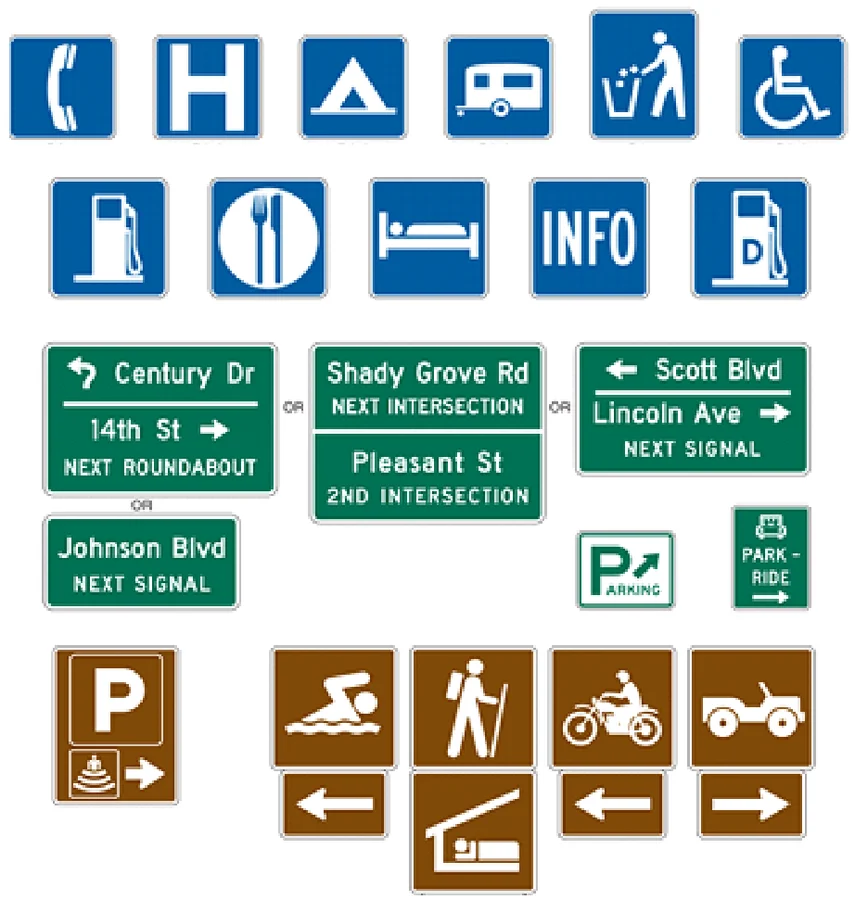
Guide signs: blue services, green directions, brown recreation
Put it into practice
You reach a stop sign with no stop line and no crosswalk, and a hedge blocks your view. Don't stop back at the hedge and go blind: stop at the point nearest the cross street where you can see approaching traffic, then proceed when clear.
Check your understanding
Read the question, decide on an answer, then open it to check the explanation. These are Roadwise study questions based on the source handbook.
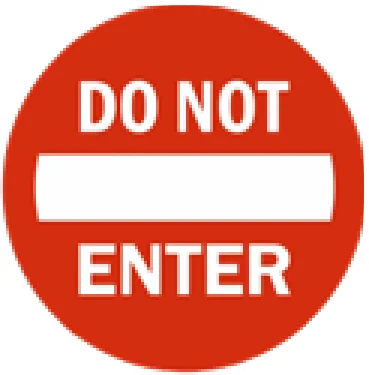
A 'Do Not Enter' sign means:
you must stop before entering the road
only trucks may not enter the road
you may not enter that road from your direction
the road ahead is closed for repairs
Answer: you may not enter that road from your direction
A Do Not Enter sign means you may not enter that section of highway from the direction you are traveling.