Roadwise States Hawaii Driving lessons Lane-control and pedestrian signals Hawaii driving lesson · Signs, Signals & Markings
Lane-control and pedestrian signals A 3-minute lesson from the Hawaii course. Read the rules and examples, follow the handbook page references, and check your understanding before you move on.
Read time 3 minutes
Course unit Signs, Signals & Markings
Checkpoint questions 5
Source pages 41, 42 Some lanes change direction during the day. Overhead lane-control signals tell you whether you may use them. Pedestrian signals tell walkers when to cross, and they tell you when to expect people in the crosswalk.
Know the rule
Lane control signals hang over the lane they control and set its direction of travel at different times.
Handbook p. 41 ↗ Know the rule
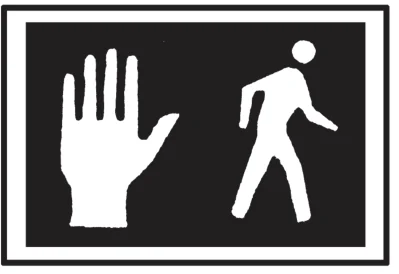
Pedestrian signals show the lighted words WALK and DON'T WALK, or a walking person and an upraised palm.
Handbook p. 42 ↗ Pedestrian signal: upraised palm (DON'T WALK) and walking person (WALK) Know the rule
People already crossing on a flashing DON'T WALK may continue to the nearest sidewalk, traffic island or safety zone.
Handbook p. 42 ↗ Know the rule
Drivers must yield to all pedestrians already in the intersection, even when the light is green.
Handbook p. 40 ↗ Put it into practice
You're turning right on a green light as the pedestrian signal switches to a flashing upraised palm. A woman is halfway across. She may finish crossing, so wait for her to reach the sidewalk before completing your turn.
Check your understanding Read the question, decide on an answer, then open it to check the explanation. These are Roadwise study questions based on the source handbook.
A lighted red "X" over a traffic lane means: it is reserved for buses you may use it to turn left you are free to use that lane you must not use that lane Answer: you must not use that lane
A red X means that lane must not be used.
Handbook p. 41 ↗ A lighted green arrow over a traffic lane means: that lane is completely closed you must stop and wait there you may use that lane now oncoming traffic uses that lane Answer: you may use that lane now
A green arrow over a lane means you may use it.
Handbook p. 42 ↗ A flashing yellow "X" over a lane means you may use that lane only when: passing another vehicle preparing to turn left driving straight through preparing to exit the roadway Answer: preparing to turn left
A flashing yellow X allows use of the lane only when preparing to turn left.
Handbook p. 42 ↗ A steady "WALK" signal or walking-person symbol means pedestrians: must not enter the roadway may finish crossing but not start may cross the roadway toward the signal must wait for the next full signal cycle Answer: may cross the roadway toward the signal
A steady WALK signal means pedestrians may cross toward the signal.
Handbook p. 42 ↗ A flashing "DON'T WALK" signal means pedestrians who have already started crossing should: return to the curb they started from continue to the nearest sidewalk or safety zone stop and wait in the roadway wait for the WALK signal to return Answer: continue to the nearest sidewalk or safety zone
Pedestrians already crossing should continue to the nearest safe point.
Handbook p. 42 ↗ Previous lesson Traffic lights, arrows and flashing signals Next lesson Sign colors, shapes and regulatory signs More in Signs, Signals & Markings About the source Roadwise’s Hawaii course uses the driver handbook edition supplied with this study pack. This lesson cites source pages 41, 42. The linked PDF is a third-party mirror of the handbook, rather than a government-hosted page.
Open the handbook source PDF · View the source edition
For current application requirements, fees, appointments, and the format that applies to your age or license type, check Hawaii’s DMV. Roadwise provides study material and does not issue permits or licenses.