A 3-minute lesson from the Alabama course. Read the rules and examples, follow the handbook page references, and check your understanding before you move on.
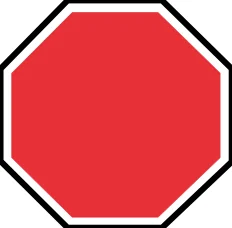
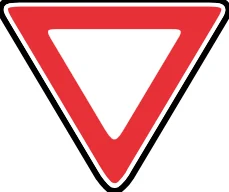
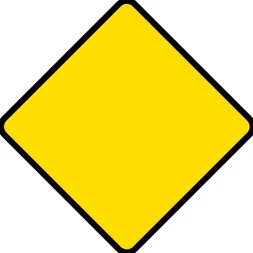
Signs are coded by shape and color, so you can recognize the type of message from a distance before you can read it. Symbols and pictures are faster to grasp at high speed than words.
The three types of traffic signs, by function:
Regulatory signs: control the movement of traffic and MUST be obeyed
Warning signs: warn of hazardous conditions ahead that call for extra caution
Informational or guide signs: inform and direct motorists
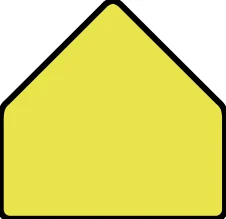
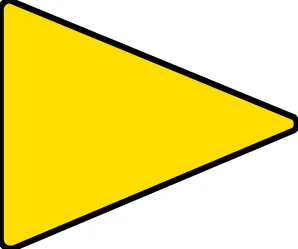
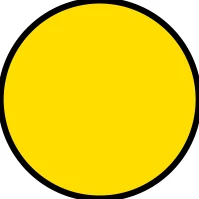
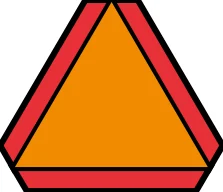
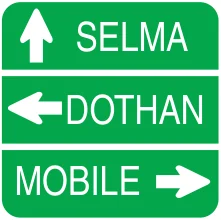
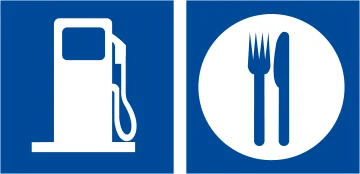
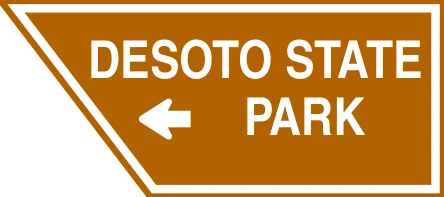
Octagon: STOPDownward triangle: YIELD RIGHT OF WAYDiamond: WARNINGPentagon: SCHOOLPennant: NO PASSING ZONERound: RAILROAD WARNINGTriangle with red border: SLOW MOVING VEHICLEGreen and white guide sign: directions to citiesBlue and white service signs: gas and foodBrown and white sign: recreational or cultural site
Know the rule
Mileposts are posted along most main state highways to pinpoint locations, report emergencies and aid maintenance. Zero mileage begins at the south and west state lines, or where a route begins.
Far ahead you see a pentagon-shaped fluorescent yellow sign. Before you can read it, the shape tells you a school zone or school crossing is ahead. Slow down and watch for children.
Check your understanding
Read the question, decide on an answer, then open it to check the explanation. These are Roadwise study questions based on the source handbook.
What are the three types of traffic signs, classified by function?
Regulatory, warning, and informational or guide signs
Federal, state, and local signs
Red, yellow, and green signs
Large, medium, and small signs
Answer: Regulatory, warning, and informational or guide signs
Traffic signs are classified by function into regulatory, warning, and informational or guide signs.