A 3-minute lesson from the Washington course. Read the rules and examples, follow the handbook page references, and check your understanding before you move on.
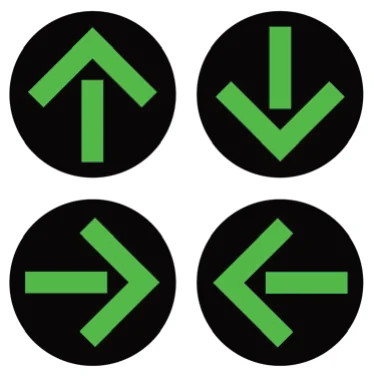
Each light color and shape has one exact meaning. Flashing lights change a signal into a sign: flashing red is a stop sign, flashing yellow is a yield sign. Arrows apply only to the direction they point.
Traffic signals
Traffic signals
Signal
What to do
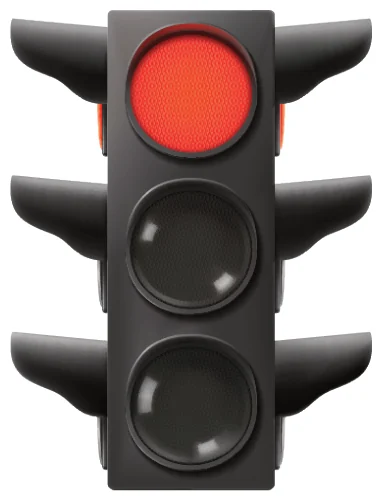
Solid red
Stop; wait for green and a clear intersection
Flashing red
Treat like a stop sign: stop, then go when it's your turn
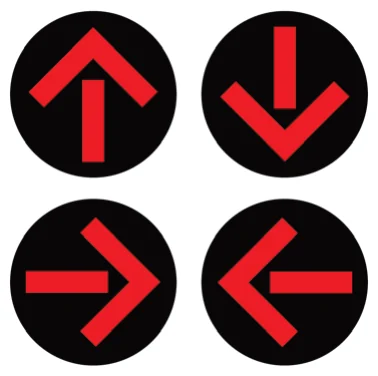
Red arrow
You can't go in the arrow's direction
Solid yellow
Light is changing to red; slow and prepare to stop
Flashing yellow
Same as a yield sign; treat as uncontrolled intersection
Yellow arrow
Turning red soon; prepare to stop, yield to oncoming
After a complete stop at a red light, you may turn right, or turn left onto a one-way street, if there's no "no turn on red" sign and you have plenty of room to enter traffic.
Turning left on a green light, yield to approaching vehicles: oncoming traffic has the right-of-way. Pause where you can see oncoming traffic, then turn at a break.
You're stopped at a red light, wanting to turn left from a one-way street onto another one-way street. With no "no turn on red" sign and a safe gap, you may turn after your complete stop.
Check your understanding
Read the question, decide on an answer, then open it to check the explanation. These are Roadwise study questions based on the source handbook.
After a complete stop at a red light with no 'no turn on red' sign, which turns may you make if there's room?
Left onto a two-way street
Neither turn is ever allowed on red
Right, or left onto one-way streets
Right only, never left
Answer: Right, or left onto one-way streets
After stopping fully, you can turn right, or turn left onto a one-way street, if there's no restricting sign and room to enter.