Ohio driving lesson · Passing, Railroads, School Buses & Parking
Parking rules
A 3-minute lesson from the Ohio course. Read the rules and examples, follow the handbook page references, and check your understanding before you move on.
Parking rules keep fire hydrants, crosswalks and intersections clear and keep your car from rolling. Ohio's key numbers are 12 inches, 10 feet, 20 feet and 1 foot.
Know the rule
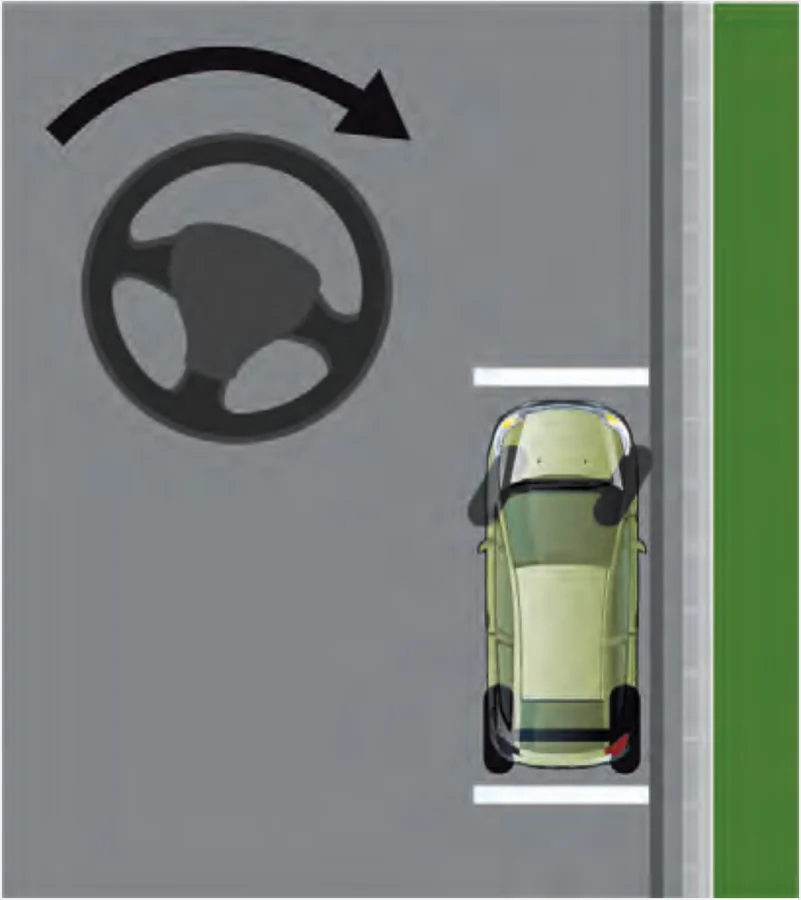
Always park in a designated area. Park facing the direction of traffic on that side, parallel to and no more than 12 inches from the right curb.
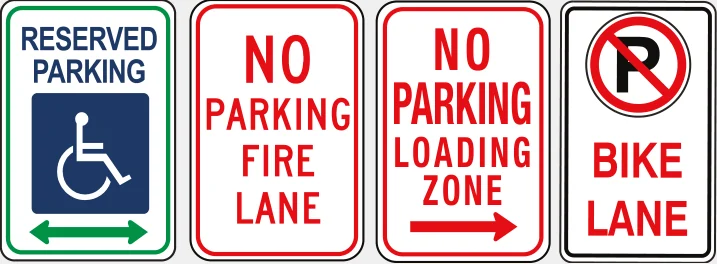
Check for signs or painted curbs that prohibit or limit parking. Don't park in a wheelchair-symbol space unless you have a disability placard or disability license plate.
Parking restriction signs: reserved, fire lane, loading zone, bike lane
Know the rule
A bicycle, electric bicycle, moped, motor scooter (150 cc or less) or micro-mobility device may be parked on a sidewalk if it doesn't impede normal pedestrian traffic.
You spot an open space 15 feet from a crosswalk and 12 feet from a hydrant. The hydrant distance is fine (10 feet minimum), but you're within 20 feet of the crosswalk, so you can't park there.
Check your understanding
Read the question, decide on an answer, then open it to check the explanation. These are Roadwise study questions based on the source handbook.
How far from the curb must you park when parking parallel on a two-way street?
No more than 6 inches
No more than 24 inches
No more than 12 inches
No more than 36 inches
Answer: No more than 12 inches
Vehicles must be parked parallel to and not more than 12 inches from the right curb.