roadwise.Open study app

Delaware driving lesson · Alcohol, Drugs & Impaired Driving

How alcohol & drugs affect your driving

A 3-minute lesson from the Delaware course. Read the rules and examples, follow the handbook page references, and check your understanding before you move on.

Read time
3 minutes
Course unit
Alcohol, Drugs & Impaired Driving
Checkpoint questions
6
Source pages
48, 49, 50, 51

Alcohol reaches your brain quickly and dulls judgment first—so you can't tell when you've had too much. What matters is how much alcohol you drink, not the type of drink, and only time will sober you up.

35%

Share of Delaware fatal crashes in 2019 that were impaired-related (about 28% nationally)

Handbook p. 48 ↗

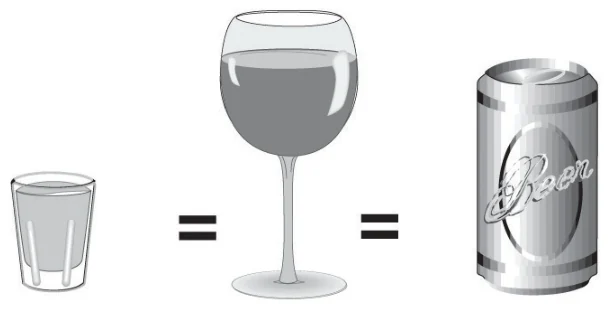
One drink is:

  • 12 oz. of beer (a regular can, bottle, mug or glass)
  • A 5 oz. glass of wine
  • 1.5 oz. of 80-proof liquor (one shot), straight or with a mixer
Handbook p. 50 ↗
Standard drink equivalents
A shot, a glass of wine and a can of beer contain the same amount of alcohol
20–40 min

Time for alcohol to reach your brain

Handbook p. 50 ↗

Know the rule

How fast alcohol enters your blood depends mainly on how much alcohol is in the drinks. Food in the stomach matters less, and how drinks are mixed matters very little.

Handbook p. 49 ↗

Know the rule

A lighter person needs less alcohol to reach a given BAC—about half as much for someone weighing 100 pounds as for someone weighing 200 pounds.

Handbook p. 49 ↗

Know the rule

Even one drink can affect your driving. With two or more drinks in your bloodstream you are impaired and could be arrested.

Handbook p. 50 ↗

Know the rule

There's no way to sober up quickly: coffee, fresh air, exercise or cold showers don't help. Only time works.

Handbook p. 51 ↗

Know the rule

Eating before and while drinking—starchy foods like pretzels, bread and crackers are best—slows how fast alcohol enters your blood, but it won't keep you from getting drunk.

Handbook p. 51 ↗

Know the rule

New drivers are more affected by alcohol than experienced drivers because they are still learning to drive.

Handbook p. 49 ↗

Drugs that can impair driving:

  • Medicines for headaches, colds, hay fever or allergies, or to calm nerves (can cause drowsiness)
  • Pep pills, 'uppers' and diet pills (later: nervousness, dizziness, poor concentration, vision problems)
  • Illegal drugs—marijuana users make more mistakes and have more trouble with glare
  • Any drug combined with alcohol—effects can intensify and even cause death
Handbook p. 51 ↗

Know the rule

Before driving, check a medicine's label for warnings; if you're unsure, ask your doctor or pharmacist.

Handbook p. 51 ↗

Put it into practice

Heading to a party, your group agrees one person won't drink at all and will be the designated driver. If you do drink, space drinks out and eat—but if you've been drinking, wait. No amount of coffee lowers your BAC.

Check your understanding

Read the question, decide on an answer, then open it to check the explanation. These are Roadwise study questions based on the source handbook.

About how long after drinking does alcohol reach the brain and begin affecting judgment?
  1. 20 to 40 minutes
  2. 1 to 5 minutes
  3. 2 to 3 hours after the last drink
  4. 6 to 8 hours

Answer: 20 to 40 minutes

Alcohol moves from the stomach into the blood and reaches the brain in about 20 to 40 minutes.
Handbook p. 50 ↗
Which of these is considered one standard alcoholic drink?
  1. A 20 oz. can of regular beer
  2. A 12 oz. can of regular beer
  3. A 10 oz. glass of table wine
  4. A 3 oz. shot of 80-proof liquor

Answer: A 12 oz. can of regular beer

A standard drink is 1.5 oz. of 80-proof liquor, a 12 oz. beer, or a 5 oz. glass of wine — all containing roughly the same amount of alcohol.

Handbook p. 50 ↗
Compared with a 200-pound person, how much alcohol does a 100-pound person need to reach the same BAC?
  1. About twice as much
  2. About the same amount
  3. About half as much
  4. About one-quarter as much

Answer: About half as much

The lower the drinker's weight, the less alcohol it takes to reach a given BAC: about half as much for a 100-pound person as for a 200-pound person.

Handbook p. 49 ↗
Eating food before or while drinking will completely prevent a person from getting drunk.
  1. True
  2. False

Answer: False

Food only slows how fast alcohol enters the bloodstream; it does not prevent intoxication.

Handbook p. 51 ↗
Marijuana use has been shown to have no effect on driving safety.
  1. True
  2. False

Answer: False

Studies show marijuana users make more driving mistakes and are arrested for traffic violations more often.

Handbook p. 51 ↗
Drinking two ounces of pure alcohol in an hour produces roughly the same BAC whether it is consumed as beer, wine, or spirits.
  1. True
  2. False

Answer: True

The handbook explains that the same amount of alcohol produces about the same BAC regardless of whether it's beer, wine, or spirits.

Handbook p. 49 ↗
Take the lesson checkpoint in the app

More in Alcohol, Drugs & Impaired Driving