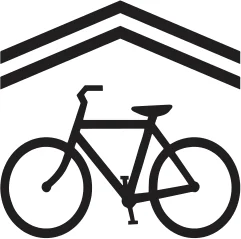
Bicycles may use full lane
Tells drivers bicyclists may use the entire travel lane.
What to do: Give a cyclist using the full lane room; do not squeeze past.
Shape: rectangle vertical · Color: white
Handbook p. 223 ↗New Jersey road signs
Explore 62 signs and driving illustrations from this course’s handbook edition. Each entry pairs the image with its meaning and a practical action. Use your browser’s Find command to look up a name or a word from a meaning.
Notice the shape and color before reading a sign’s words or symbol. Then connect its meaning with what you should do: stop, yield, adjust your speed, choose a lane, or prepare for a hazard. Signals, markings, and diagrams are included where the handbook uses them to explain a driving rule.
Use the source page link for the surrounding rule. Some illustrations show a complete road situation rather than a standalone roadside sign.
62 entries. Sign images and page references belong to the handbook edition used for the New Jersey course.
Tells drivers bicyclists may use the entire travel lane.
What to do: Give a cyclist using the full lane room; do not squeeze past.
Shape: rectangle vertical · Color: white
Handbook p. 223 ↗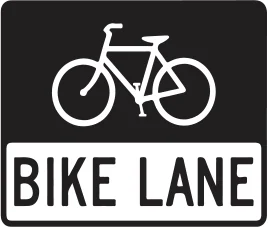
Marks a lane reserved for bicycle travel.
What to do: Do not drive or park in the marked bike lane.
Shape: square · Color: black
Handbook p. 223 ↗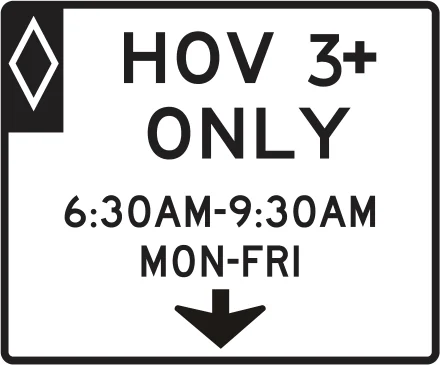
This lane is restricted to vehicles with the required occupancy during posted hours.
What to do: Only use this lane if your vehicle meets the occupancy requirement.
Shape: rectangle vertical · Color: white
Handbook p. 219 ↗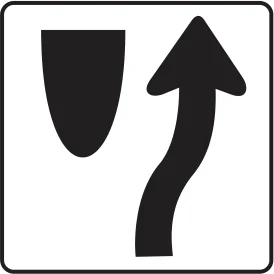
Traffic must keep to the right of the marked island or median.
What to do: Stay to the right of the obstruction ahead.
Shape: rectangle vertical · Color: white
Handbook p. 224 ↗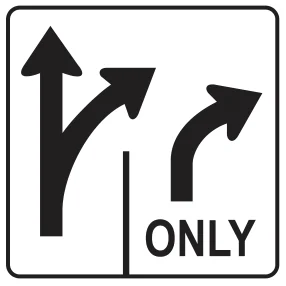
Shows which movements are allowed from each lane.
What to do: Get into the lane matching the turn or direction you intend to make.
Shape: square · Color: white
Handbook p. 223 ↗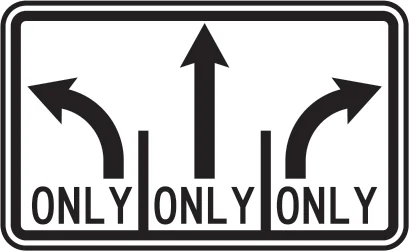
Shows which turns each lane must make ahead.
What to do: Get into the lane matching the turn or direction you want.
Shape: rectangle horizontal · Color: white
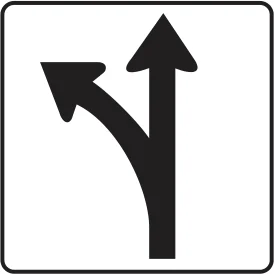
This lane permits either a left turn or going straight.
What to do: Use this lane only to turn left or continue straight.
Shape: rectangle vertical · Color: white
Handbook p. 224 ↗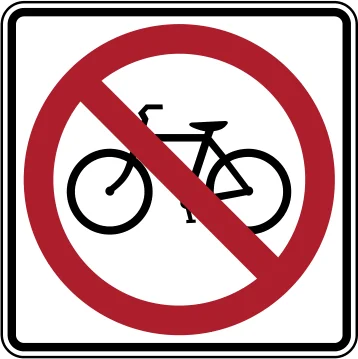
Bicycles are not allowed on this roadway.
What to do: Do not ride a bicycle here; use an alternate route.
Shape: square · Color: white
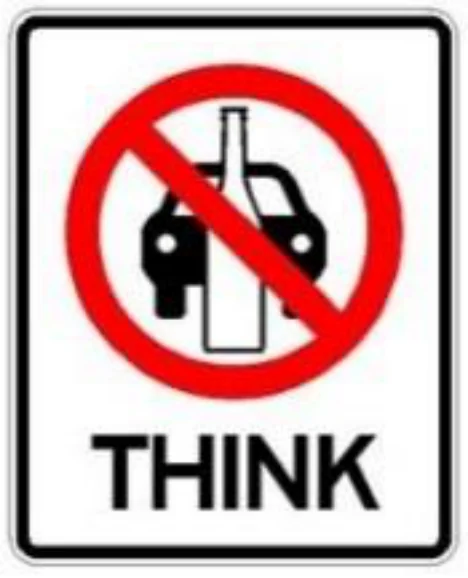
Warns against driving after drinking alcohol.
What to do: Never drive after drinking; arrange another way home.
Shape: rectangle vertical · Color: white
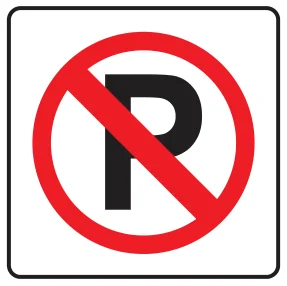
Parking is prohibited at this location.
What to do: Do not stop and leave your vehicle here.
Shape: square · Color: white
Handbook p. 223 ↗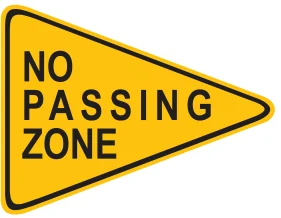
Marks the start of a zone where passing is prohibited.
What to do: Do not pass other vehicles until the zone ends.
Shape: pennant · Color: yellow
Handbook p. 223 ↗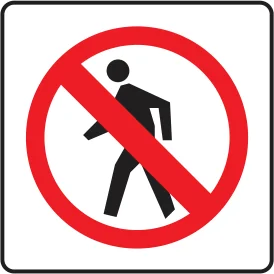
Pedestrians are not allowed to cross here.
What to do: Pedestrians should not cross at this location.
Shape: square · Color: white
Handbook p. 224 ↗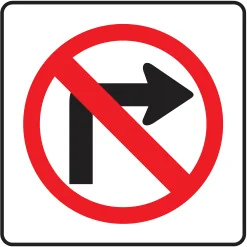
Right turns are not allowed here.
What to do: Do not turn right; continue straight or choose another lane.
Shape: square · Color: white
Handbook p. 224 ↗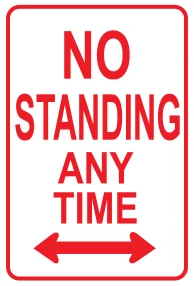
Stopping to load or unload is prohibited here.
What to do: Do not stop your vehicle in this zone, even briefly.
Shape: rectangle vertical · Color: white
Handbook p. 223 ↗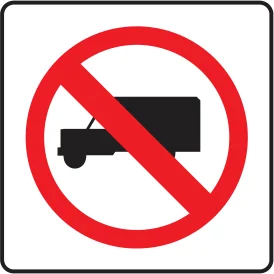
Trucks are not allowed on this roadway.
What to do: Do not drive a truck past this sign.
Shape: square · Color: white
Handbook p. 223 ↗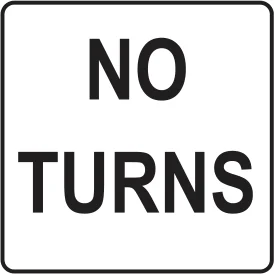
Turning in any direction is prohibited here.
What to do: Continue straight; do not turn.
Shape: rectangle vertical · Color: white
Handbook p. 224 ↗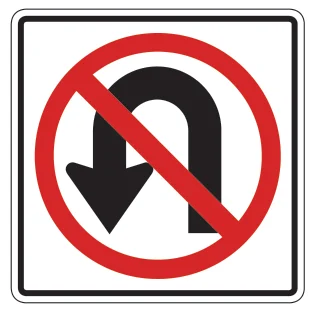
U-turns are not allowed here.
What to do: Do not make a U-turn at this location.
Shape: square · Color: white
Handbook p. 223 ↗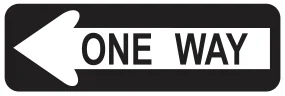
Traffic on this street moves only in the arrow's direction.
What to do: Enter or travel only in the direction the arrow points.
Shape: rectangle horizontal · Color: black
Handbook p. 224 ↗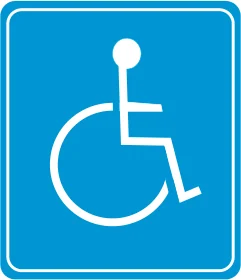
Marks a parking space reserved for people with disabilities.
What to do: Only park here with a valid accessible plate or permit.
Shape: square · Color: blue
Handbook p. 222 ↗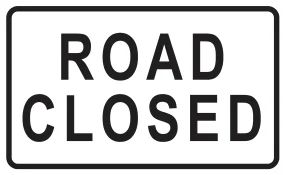
The road ahead is closed to through traffic.
What to do: Do not proceed; use an alternate route.
Shape: rectangle horizontal · Color: white
Handbook p. 224 ↗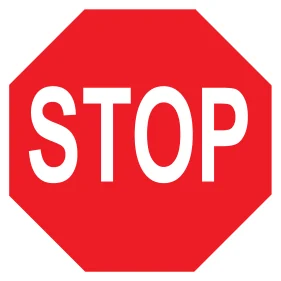
Come to a complete stop.
What to do: Stop fully at the line, crosswalk or intersection edge; go only when safe.
Shape: octagon · Color: red
Handbook p. 223 ↗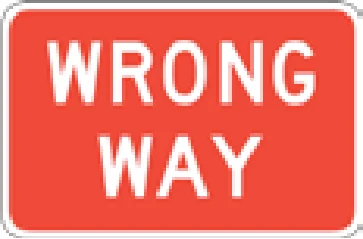
You are driving the wrong way on a one-way road.
What to do: Stop and safely turn around; do not continue forward.
Shape: rectangle horizontal · Color: red
Handbook p. 224 ↗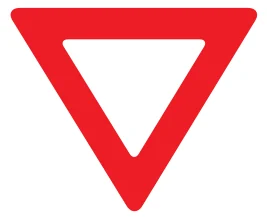
Slow down or stop if necessary and let others go first.
What to do: Slow down, yield to cross traffic and pedestrians, then proceed when clear.
Shape: triangle · Color: red
Handbook p. 224 ↗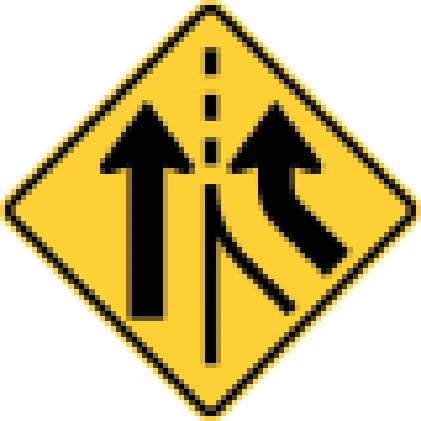
An additional lane begins ahead without merging.
What to do: Continue in your lane; no need to merge for the new lane.
Shape: diamond · Color: yellow
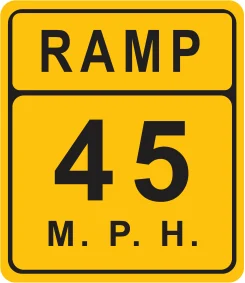
Recommends a safe speed for the ramp ahead.
What to do: Slow to the advisory speed shown.
Shape: rectangle vertical · Color: yellow
Handbook p. 223 ↗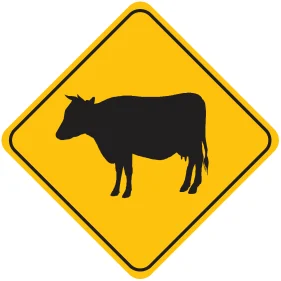
Warns that livestock may cross or be near the roadway.
What to do: Slow down and watch for animals on or near the road.
Shape: diamond · Color: yellow
Handbook p. 222 ↗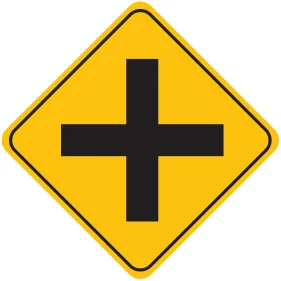
Warns of a four-way intersection ahead.
What to do: Slow down and watch for cross traffic.
Shape: diamond · Color: yellow
Handbook p. 222 ↗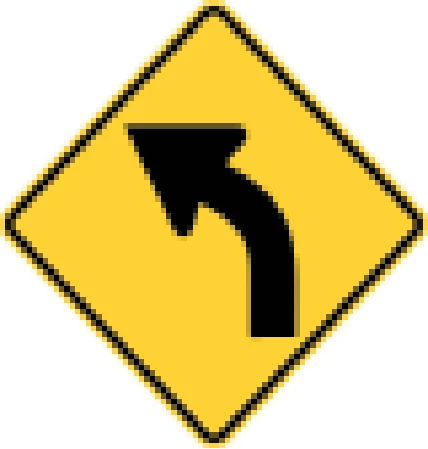
Road curves to the left ahead.
What to do: Slow down and steer smoothly through the left curve.
Shape: diamond · Color: yellow
Handbook p. 222 ↗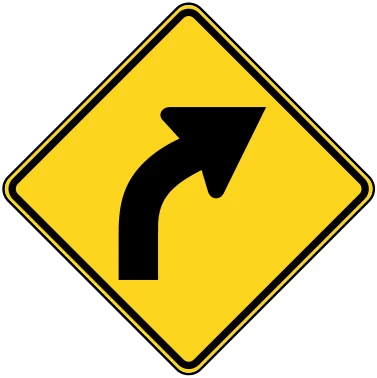
Road curves to the right ahead.
What to do: Slow down and steer smoothly through the right curve.
Shape: diamond · Color: yellow
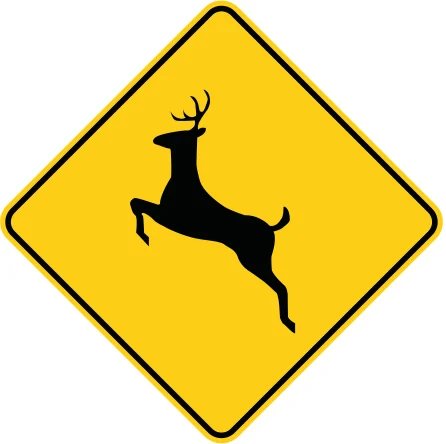
Deer may cross the road in this area.
What to do: Slow down and watch for deer, especially at dawn or dusk.
Shape: diamond · Color: yellow
Handbook p. 216 ↗
Road ahead splits into a divided highway with a median.
What to do: Keep right of the median and stay alert for the lane split ahead.
Shape: diamond · Color: yellow
Handbook p. 222 ↗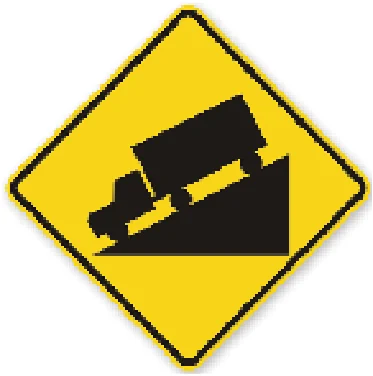
A steep downhill grade is ahead.
What to do: Shift to a lower gear and control speed going downhill.
Shape: diamond · Color: yellow
Handbook p. 222 ↗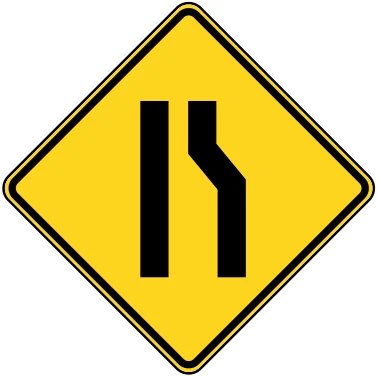
The left lane ends ahead and traffic must merge.
What to do: Merge right safely before your lane ends.
Shape: diamond · Color: yellow
Handbook p. 222 ↗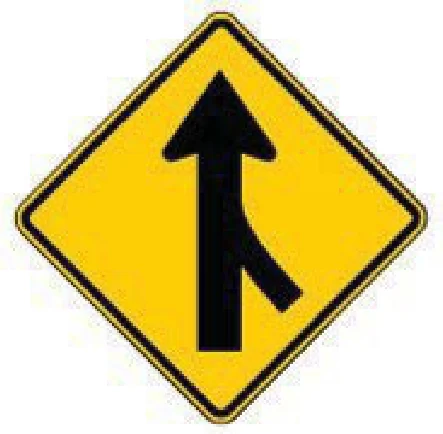
A lane from the side joins your road ahead.
What to do: Adjust speed and merge safely; yield to traffic already in your lane.
Shape: diamond · Color: yellow
Handbook p. 222 ↗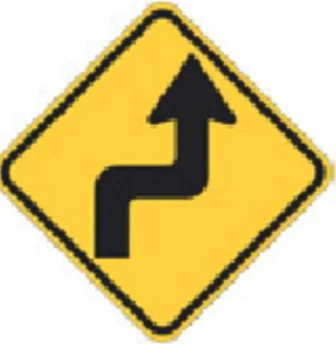
Road curves right then left ahead.
What to do: Slow down and steer carefully through both curves.
Shape: diamond · Color: yellow
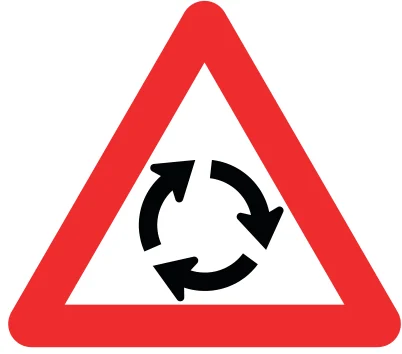
Warns of a roundabout intersection ahead.
What to do: Slow down and be ready to yield to traffic in the roundabout.
Shape: triangle · Color: red
Handbook p. 220 ↗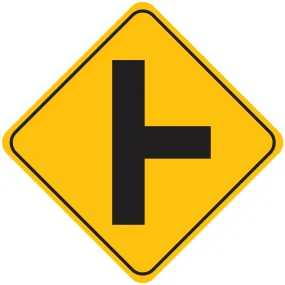
Warns that a side road joins from the right ahead.
What to do: Watch for vehicles entering from the side road.
Shape: diamond · Color: yellow
Handbook p. 223 ↗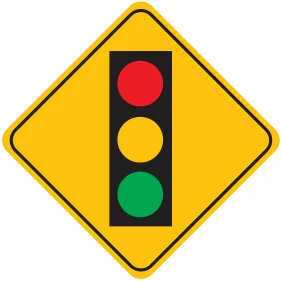
Warns that a traffic signal is coming up.
What to do: Slow down and be prepared to stop at the signal.
Shape: diamond · Color: yellow
Handbook p. 222 ↗
Road may be slick from rain, ice or oil.
What to do: Slow down, avoid sudden braking or sharp turns, and increase following distance.
Shape: diamond · Color: yellow
Handbook p. 222 ↗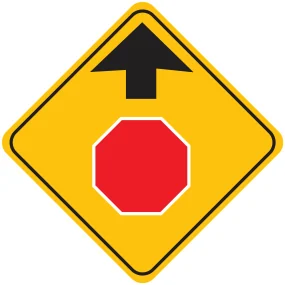
Warns that a stop sign is coming up.
What to do: Slow down and prepare to stop.
Shape: diamond · Color: yellow
Handbook p. 223 ↗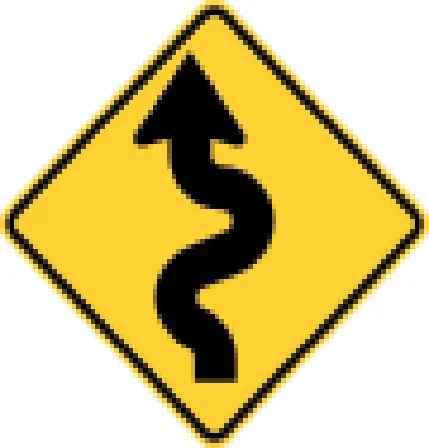
The road has several curves ahead.
What to do: Slow down and drive carefully through the series of curves.
Shape: diamond · Color: yellow
Handbook p. 222 ↗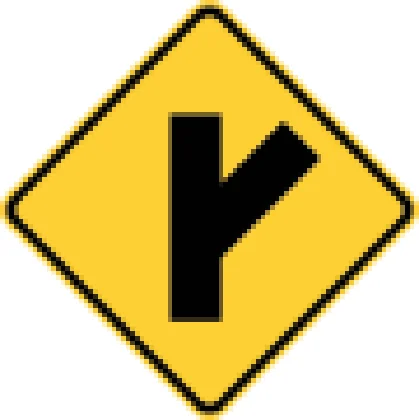
The road ahead forks into a Y-shaped intersection.
What to do: Slow down and choose the correct branch of the fork.
Shape: diamond · Color: yellow
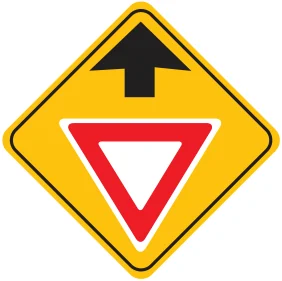
Warns that a yield sign is coming up.
What to do: Slow down and be ready to yield the right-of-way.
Shape: diamond · Color: yellow
Handbook p. 222 ↗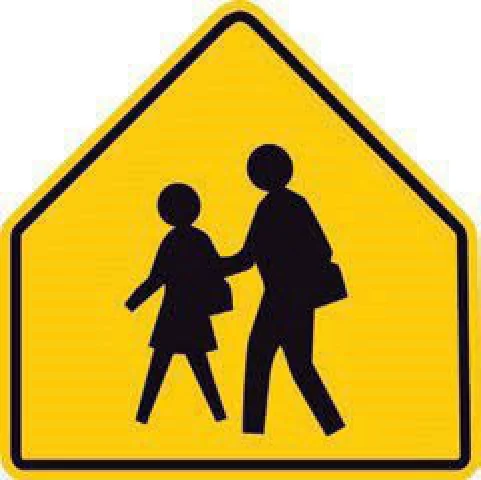
You are approaching a school area or crossing.
What to do: Slow down, watch for children, and be ready to stop.
Shape: pentagon · Color: yellow
Handbook p. 222 ↗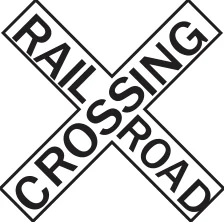
Marks a railroad crossing; motor vehicles must yield to trains.
What to do: Slow down, look both ways, listen, and stop if a train approaches.
Shape: crossbuck · Color: white
Handbook p. 224 ↗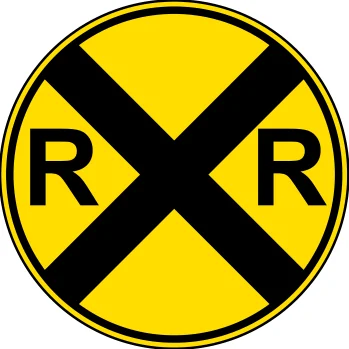
A railroad crossing is ahead on the road.
What to do: Slow down, look and listen for trains, and be ready to stop.
Shape: circle · Color: yellow
Handbook p. 224 ↗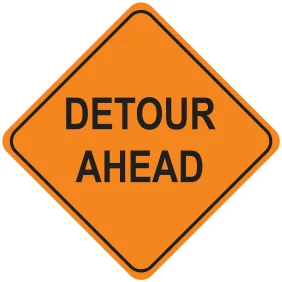
Warns that a detour is coming up ahead.
What to do: Prepare to follow the marked detour route.
Shape: diamond · Color: orange
Handbook p. 222 ↗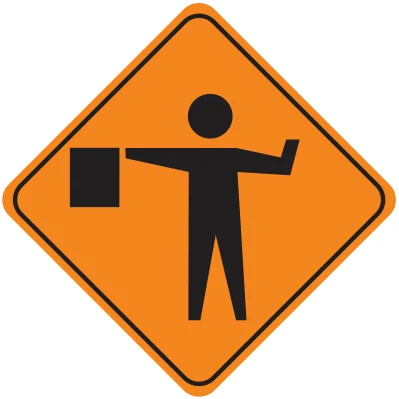
A worker will direct traffic ahead.
What to do: Slow down and be ready to stop or follow the flagger's directions.
Shape: diamond · Color: orange
Handbook p. 217 ↗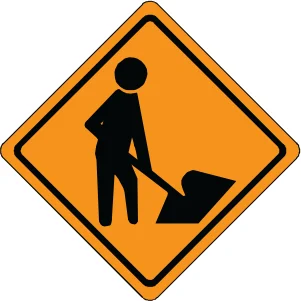
Road workers are working near or in the roadway.
What to do: Slow down and watch for workers and equipment.
Shape: diamond · Color: orange
Handbook p. 222 ↗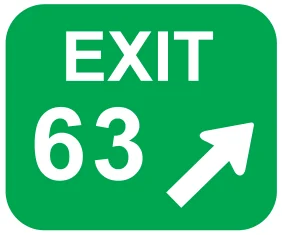
Shows the exit number and direction to leave the highway.
What to do: Move into the exit lane if that is your destination.
Shape: rectangle vertical · Color: green
Handbook p. 224 ↗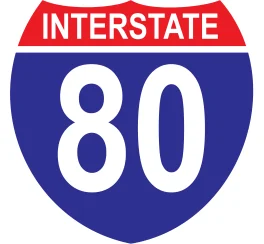
Identifies a numbered Interstate highway route.
What to do: Use the marker to confirm which Interstate you are on.
Shape: shield · Color: blue
Handbook p. 224 ↗
Shows the distance along the highway in miles.
What to do: Use the marker to note your location for reference.
Shape: rectangle vertical · Color: green
Handbook p. 224 ↗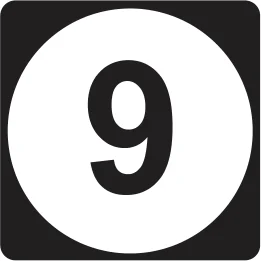
Identifies a numbered state highway route.
What to do: Use the marker to confirm which route you are on.
Shape: circle · Color: black
Handbook p. 223 ↗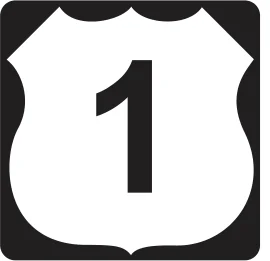
Identifies a numbered US highway route.
What to do: Use the marker to confirm which route you are on.
Shape: shield · Color: white
Handbook p. 223 ↗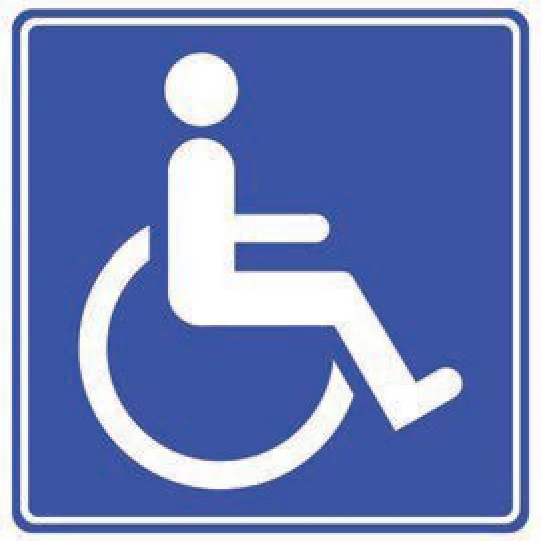
Marks a facility or space accessible to people with disabilities.
What to do: Use as directed; reserve marked accessible spaces for permit holders.
Shape: square · Color: blue
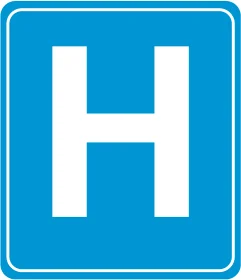
Directs drivers to a nearby hospital.
What to do: Follow the sign if you need emergency medical services.
Shape: square · Color: blue
Handbook p. 222 ↗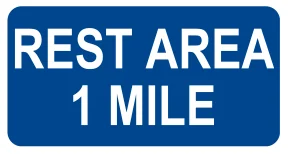
Directs drivers to a nearby rest area.
What to do: Follow the sign if you want to stop and rest.
Shape: rectangle vertical · Color: blue
Handbook p. 224 ↗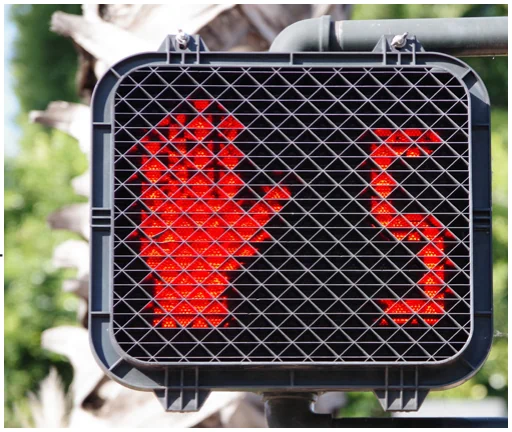
An upraised red hand means do not start crossing.
What to do: Do not begin crossing when the red hand is shown.
Shape: n/a · Color: n/a
Handbook p. 215 ↗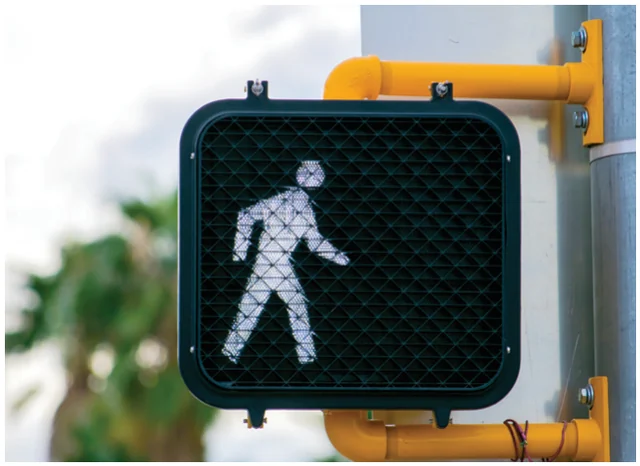
A white walking figure means pedestrians may begin crossing.
What to do: Cross the street in the direction indicated while it is shown.
Shape: n/a · Color: n/a
Handbook p. 215 ↗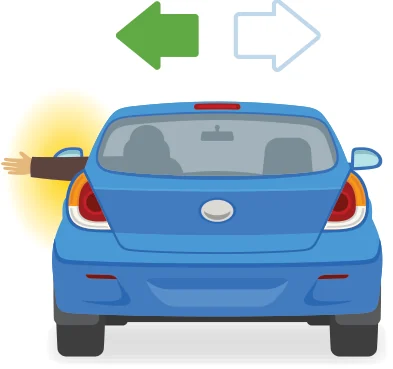
Arm extended straight out signals a left turn.
What to do: Watch for this arm signal and yield if appropriate.
Shape: n/a · Color: n/a
Handbook p. 56 ↗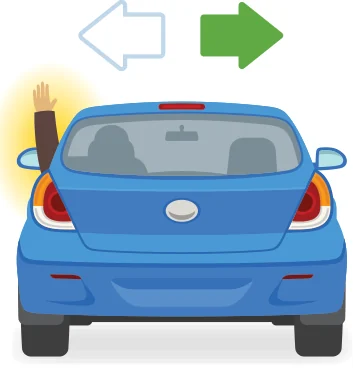
Arm bent upward at the elbow signals a right turn.
What to do: Watch for this arm signal and yield if appropriate.
Shape: n/a · Color: n/a
Handbook p. 56 ↗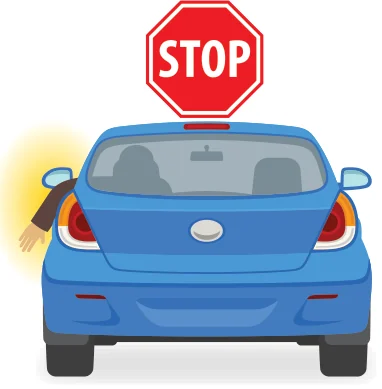
Arm extended downward signals stopping or slowing down.
What to do: Watch for this arm signal from cyclists or drivers without working lights.
Shape: n/a · Color: n/a
Handbook p. 56 ↗